The Big Red Rock 1976
By Robert G Barnes Nov 2020
When you live in Broken Hill you're on the edge of the outback. Yes it's two days drive west from Sydney and very remote, but it's still a long way from the centre of this vast continent that is Australia. To see the inland of the country in the 1970s required an adventurous spirit and financial and spiritual resources which few people had. Stories of early European explorers travelling for months and even years, and sometimes never returning, are part of the Australian mythology. So when a chance came long to make a short, sharp trip to the Red Centre we were on board. Being in Broken Hill, we were already closer than most Aussies would ever be.
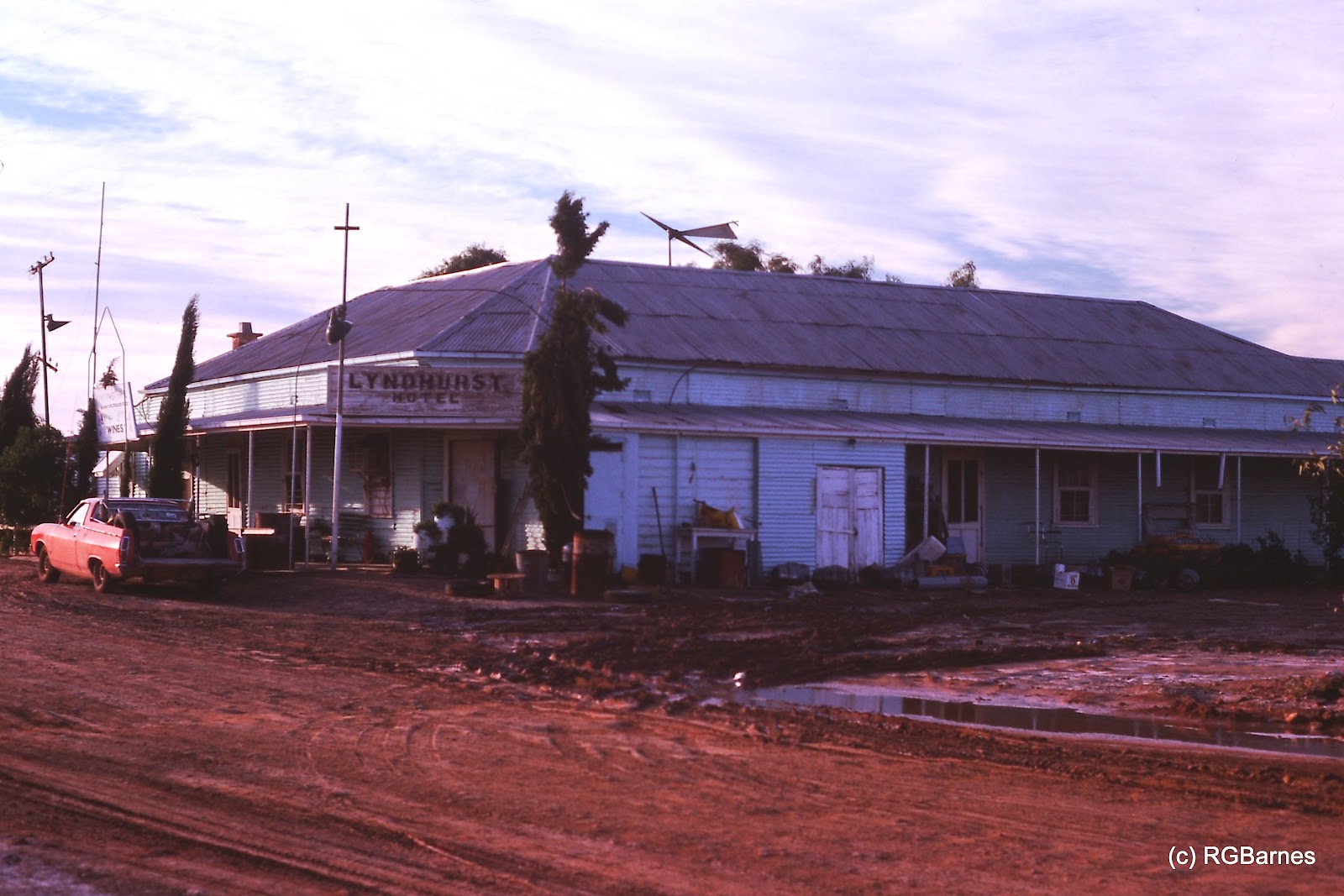
The Broken Hill Aero club comprises a collective of people who love flying - almost any excuse would do. One thing that had become a more regular event for the club was an excursion to Central Australia over Easter. Most people had at least four days leave so it was possible. The pilots at the club just wanted some passengers to pay for the fuel and a few extra so they filled a couple of small planes that teachers, geologists and similar people for a dash to the Centre. Travelling light was an obligation: a small backpack with a change of undies and not much else. The first sector on Thursday afternoon took us from Broken Hill to Lyndhurst on the western side of the Flinders Ranges. Our pilot for this sector took the travel light message to new heights; his small airline bag contained nothing but four bottles of scotch. I was mildly pleased that we changed pilots for the rest of the trip. I think we could have flown home using the contents of his bag.
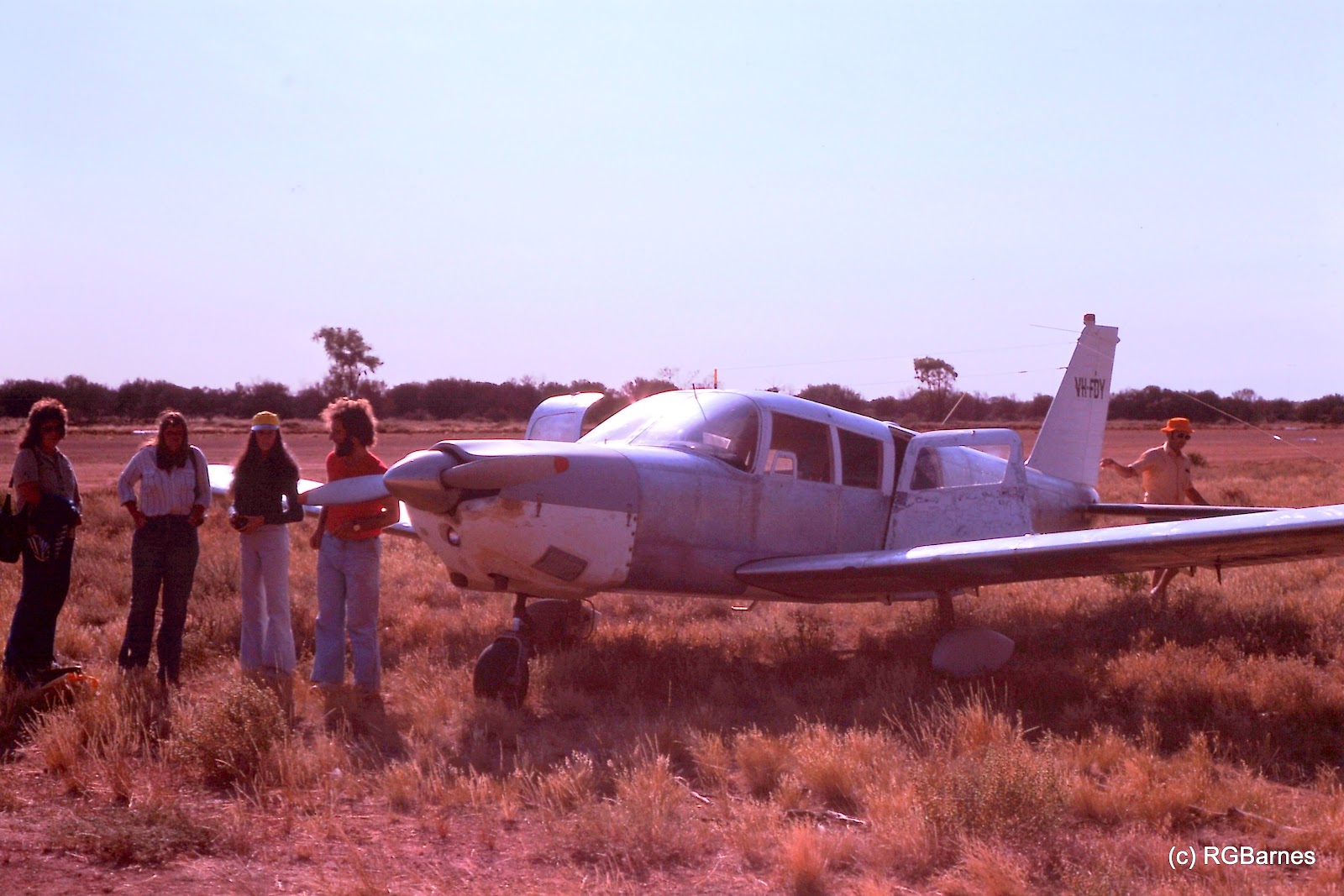
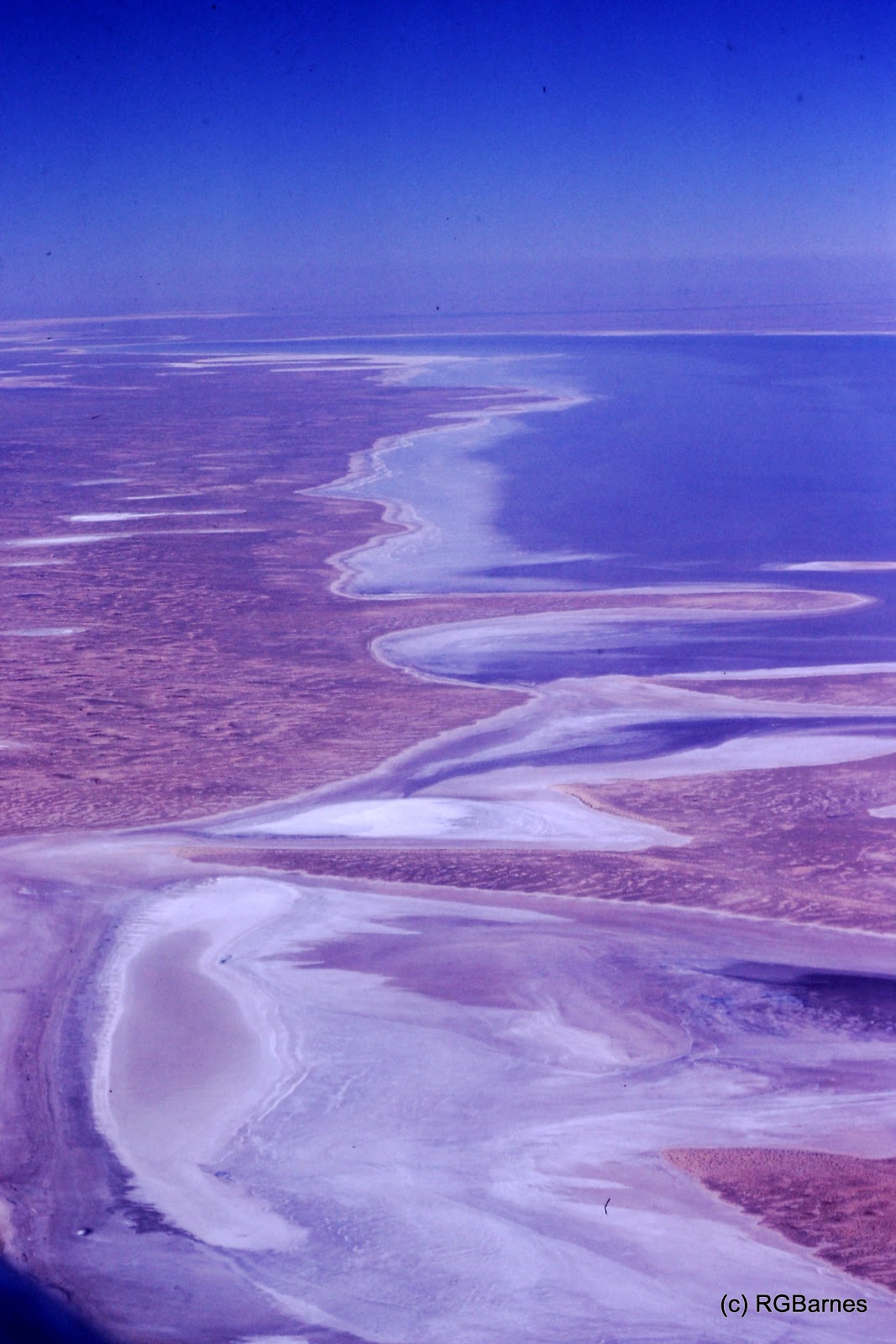
Our pilot for the next day, and for the rest of the trip, was Don, a pleasant fellow who always thoroughly checked the plane before we took off. It was a somewhat battered looking old plane, ex Flying Doctor service. It held the pilot and five passengers. Thankfully I got the top spot up front. The dash was not much more than a collection of simple gauges and a long-range radio; no modern devices. The first sector the day before over the salt lakes and then the Flinders Ranges for a couple of hours gave us a hint of what we were dealing with. The vastness and remoteness changes your sensibilities - you turn into a tiny speck of dust.
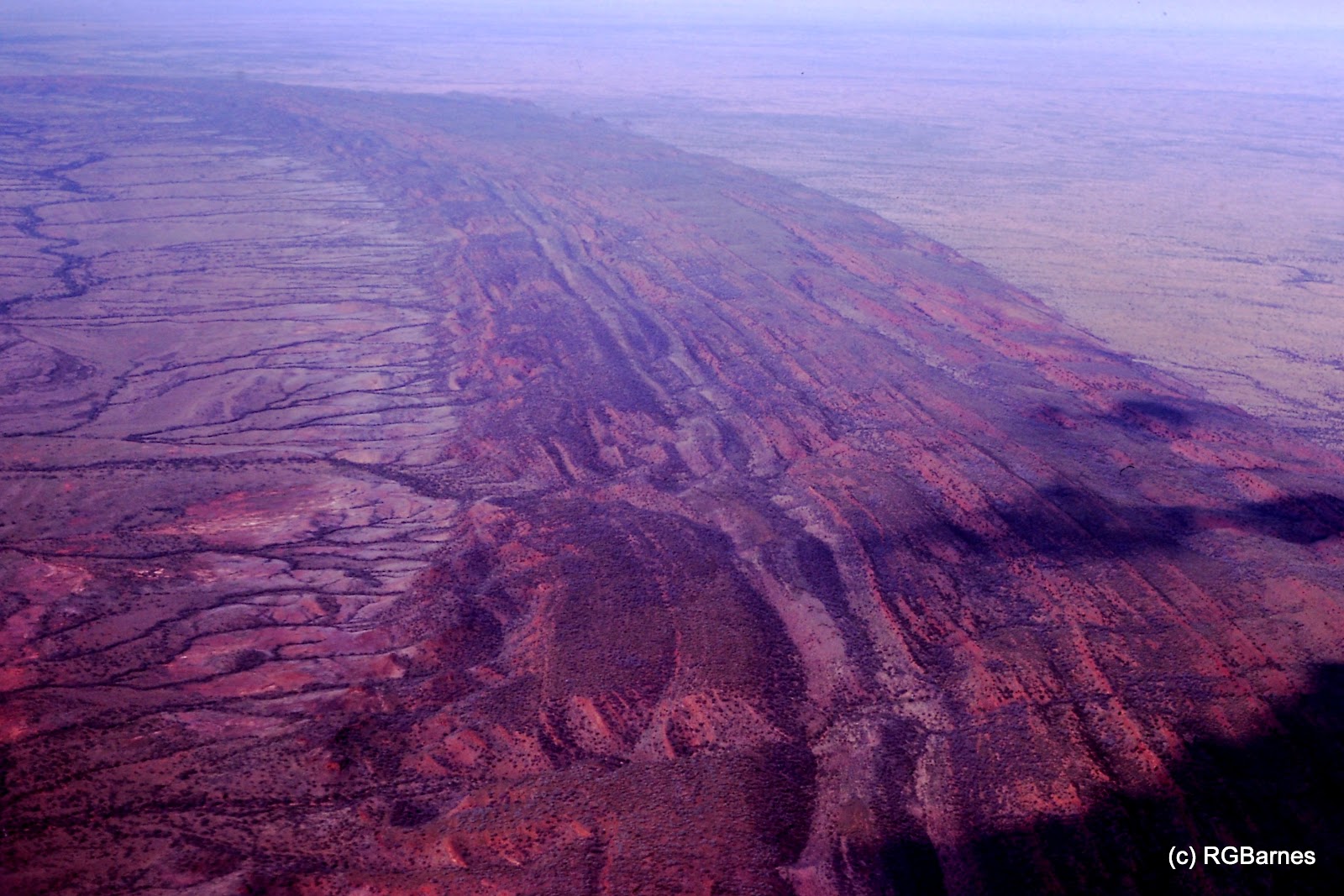
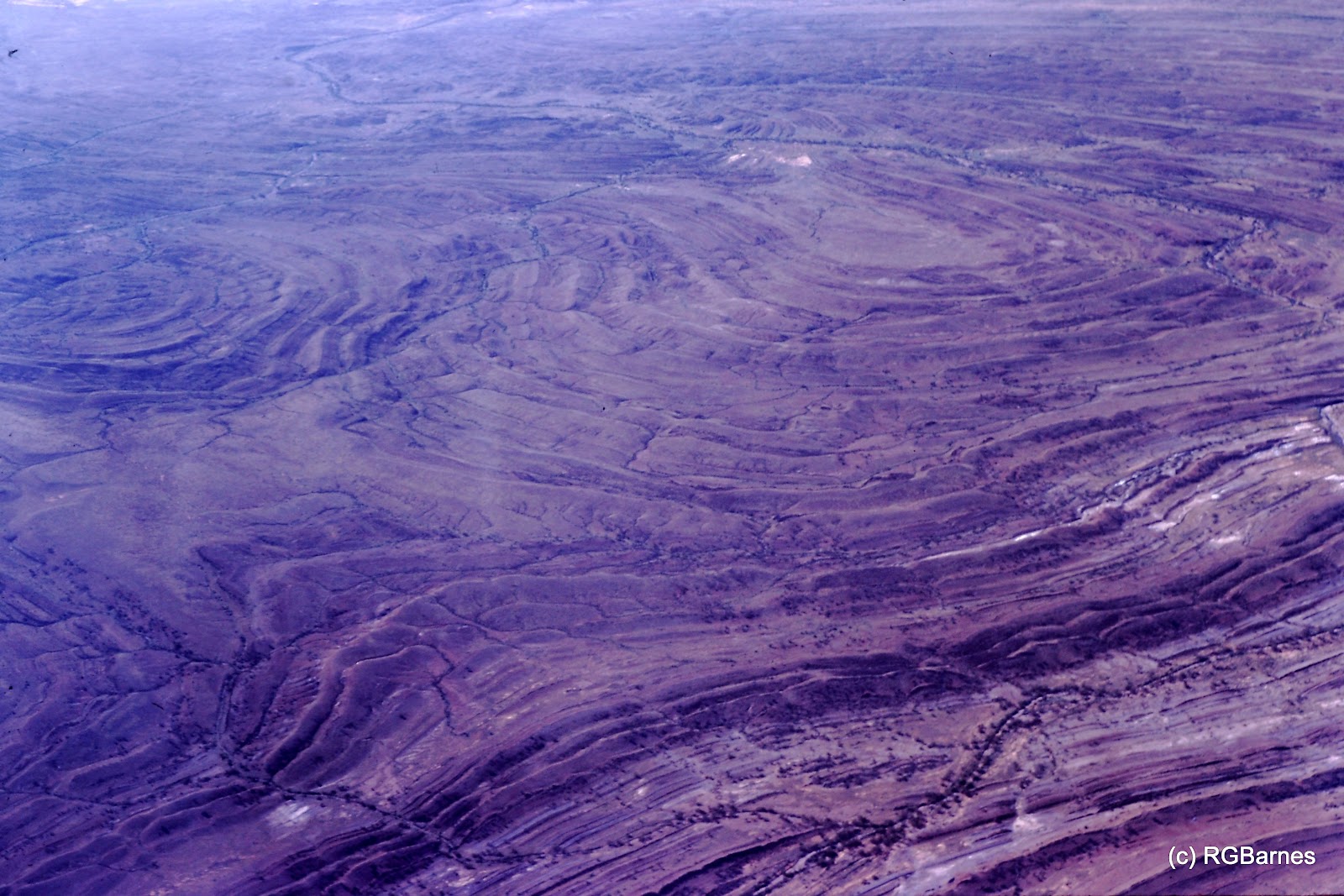
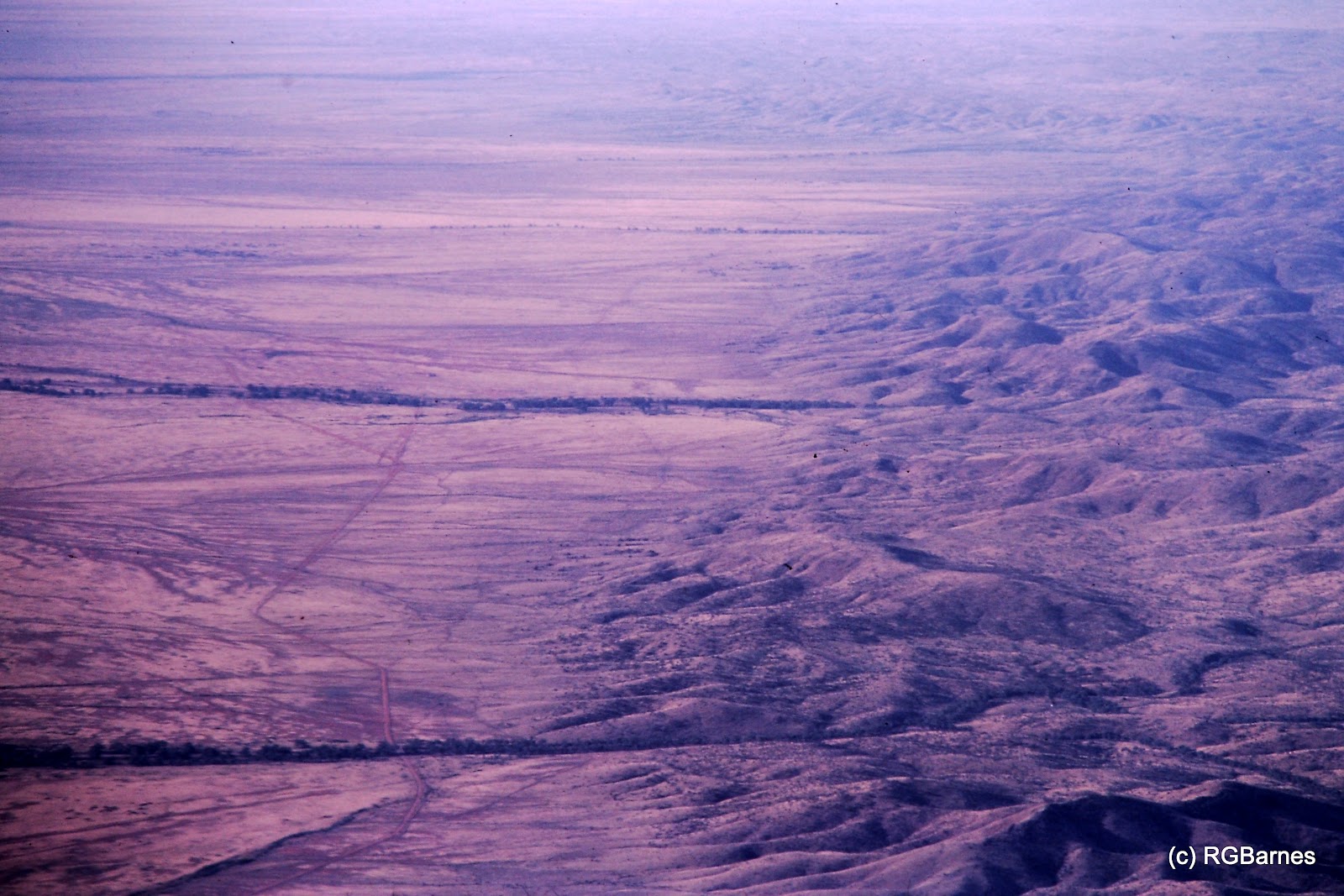
Any night at an outback pub is always memorable but we could not indulge as we had to leave early the next day and would be confined to our small aluminium tube for most of the next day. Flying over the sweeping vistas of rocky plains and sinuous sand dunes for hour after hour was almost hypnotic but the plane hummed along seemingly slowly tripping over the surface of the land. By afternoon we had landed at Alice Springs.
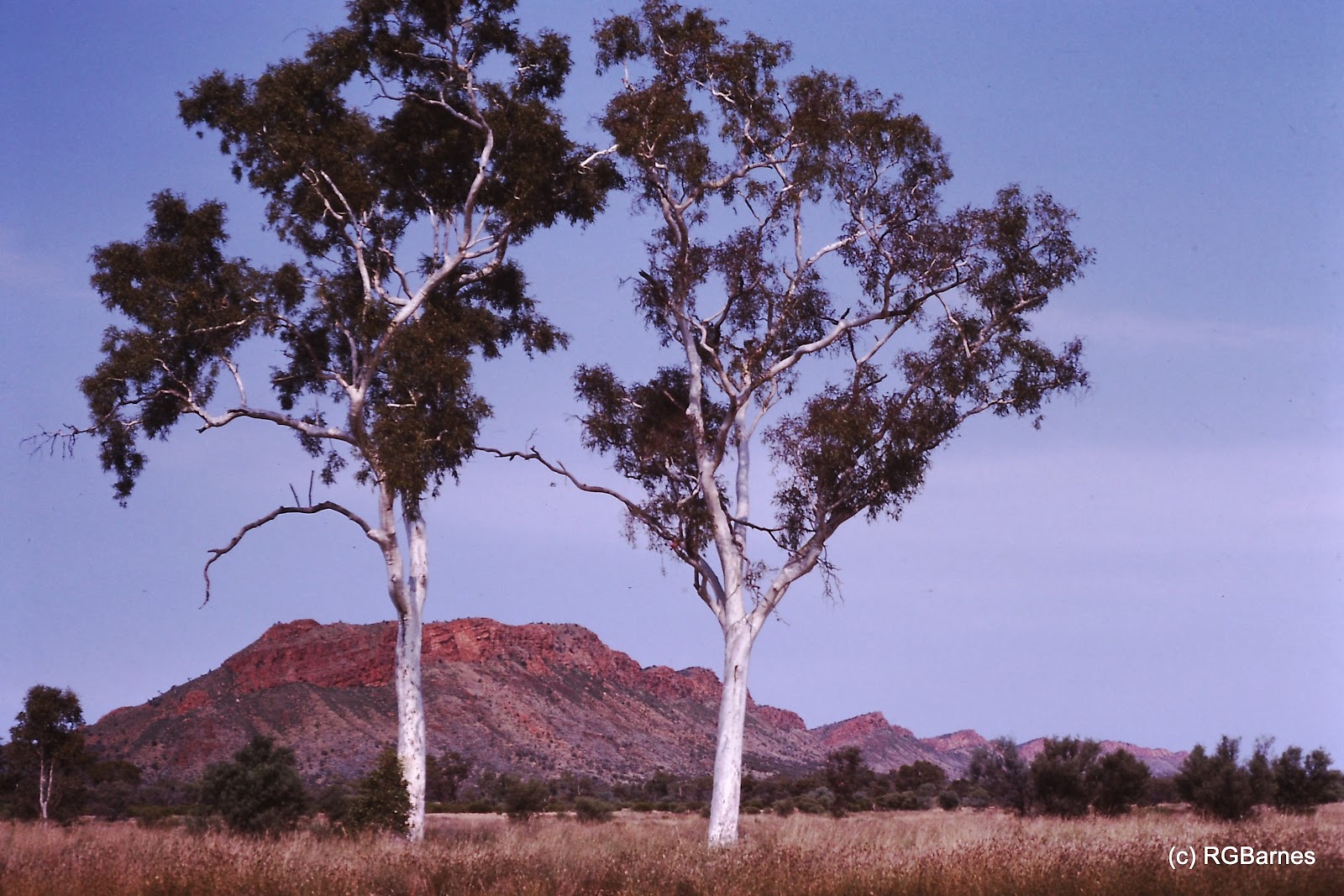
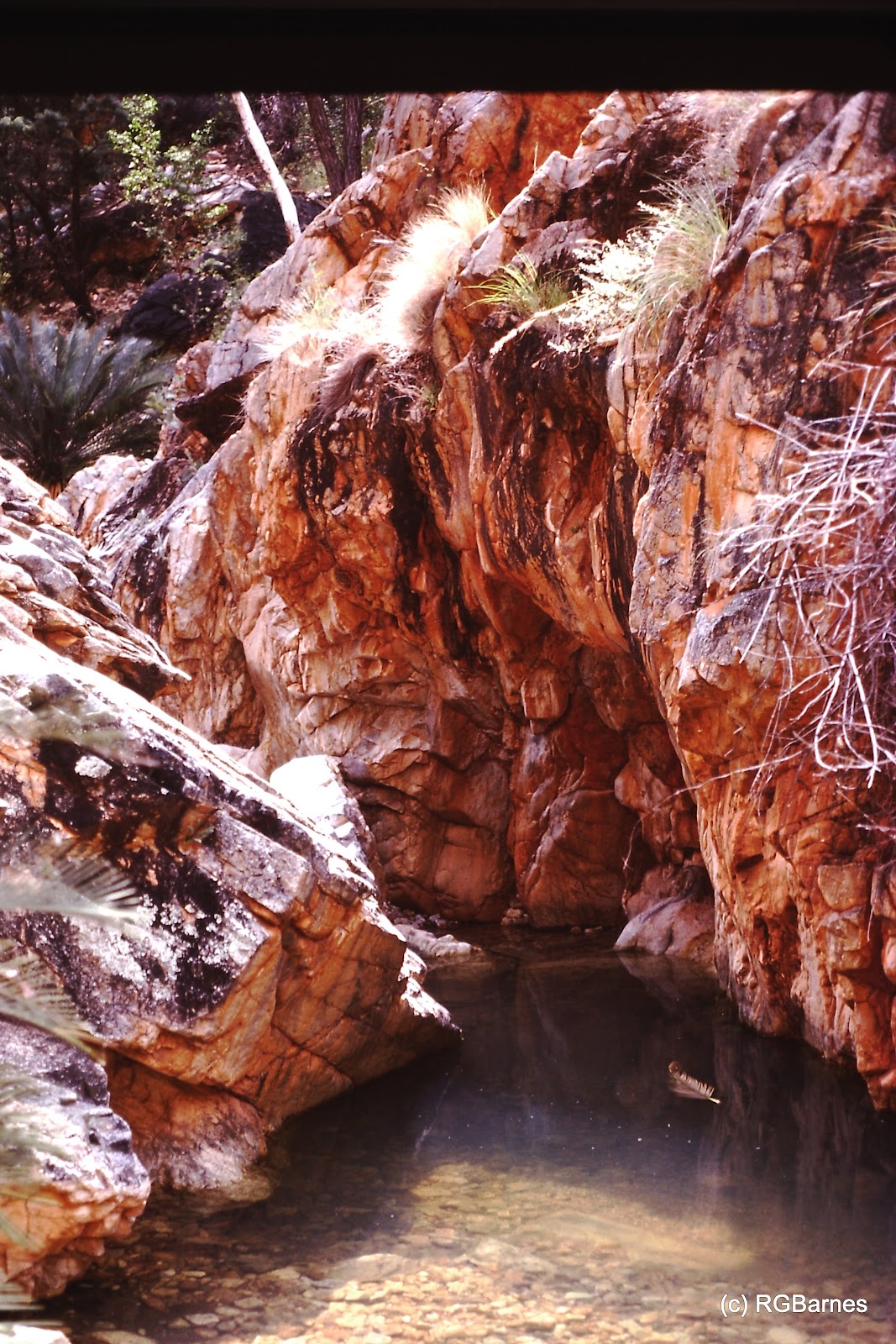
The club had arranged our accommodation and transport to some of the iconic sites that the MacDonnell Ranges provide: John Flynn's grave and the twin gums amongst them. Some of the landscapes take your breath away. I clicked and clicked trying to capture just a fraction of what we were seeing. The glorious light, the clear crisp air, the rocky ranges - the bones and ancient land. Standley Chasm with its life-sustaining waterholes was an example.
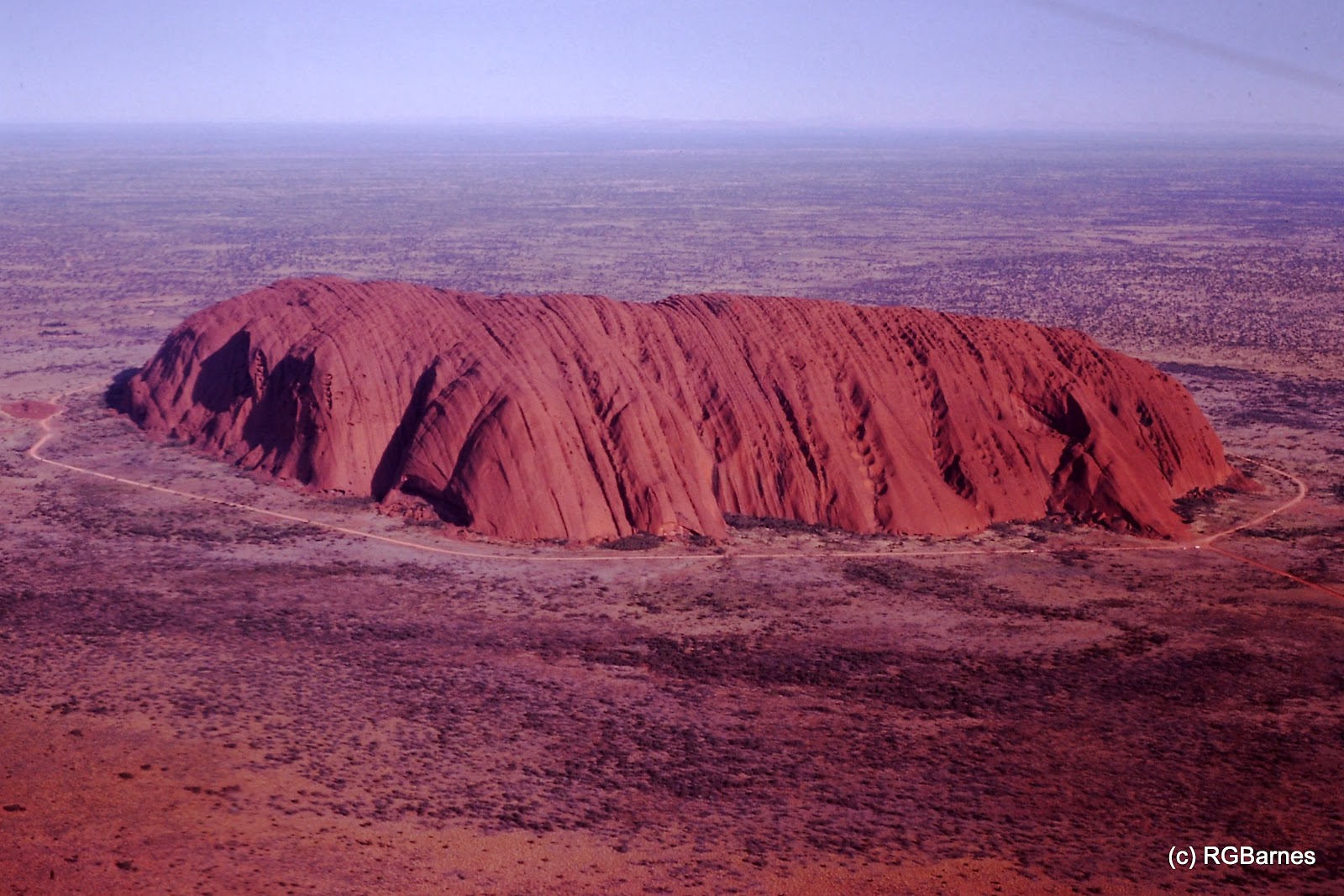
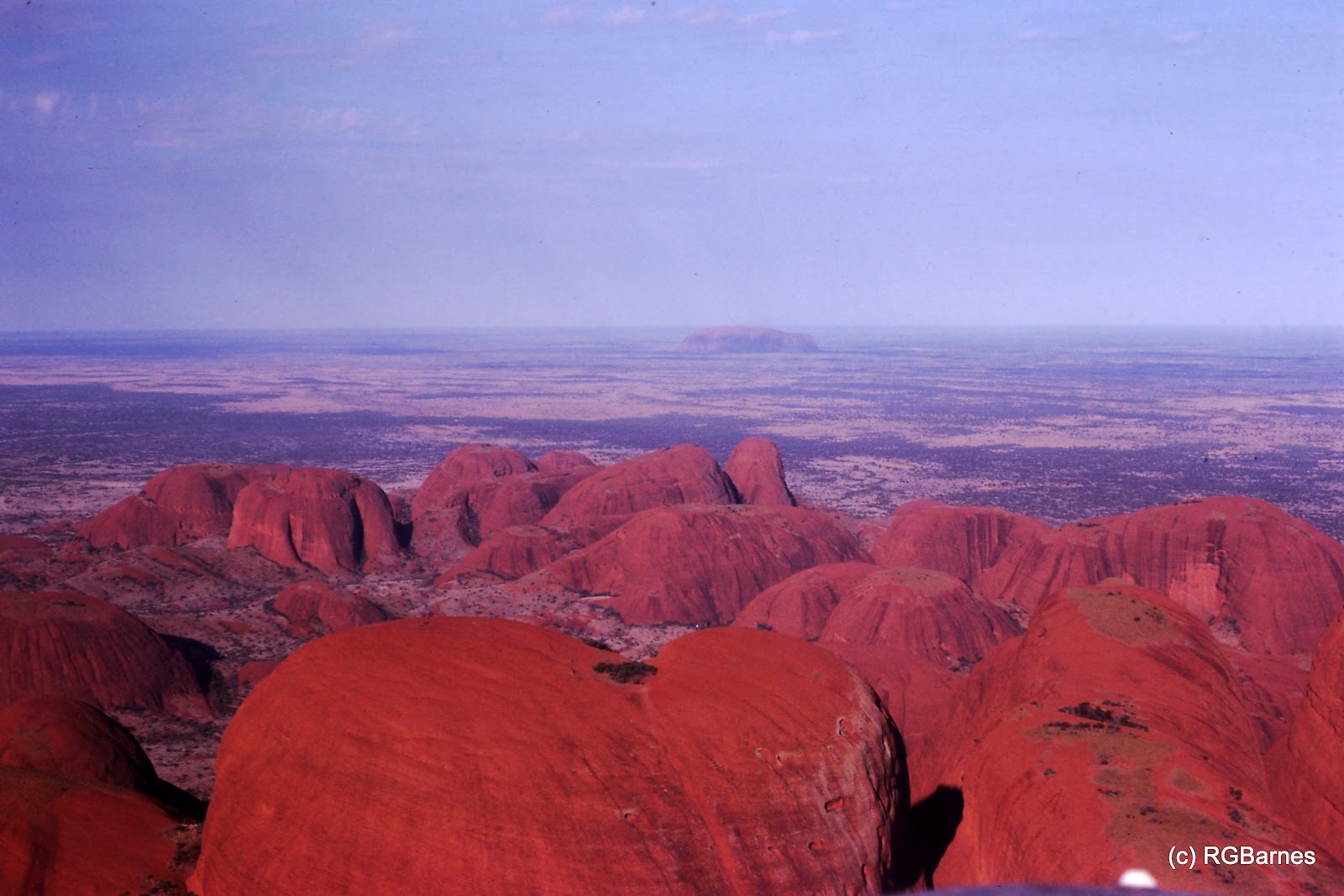
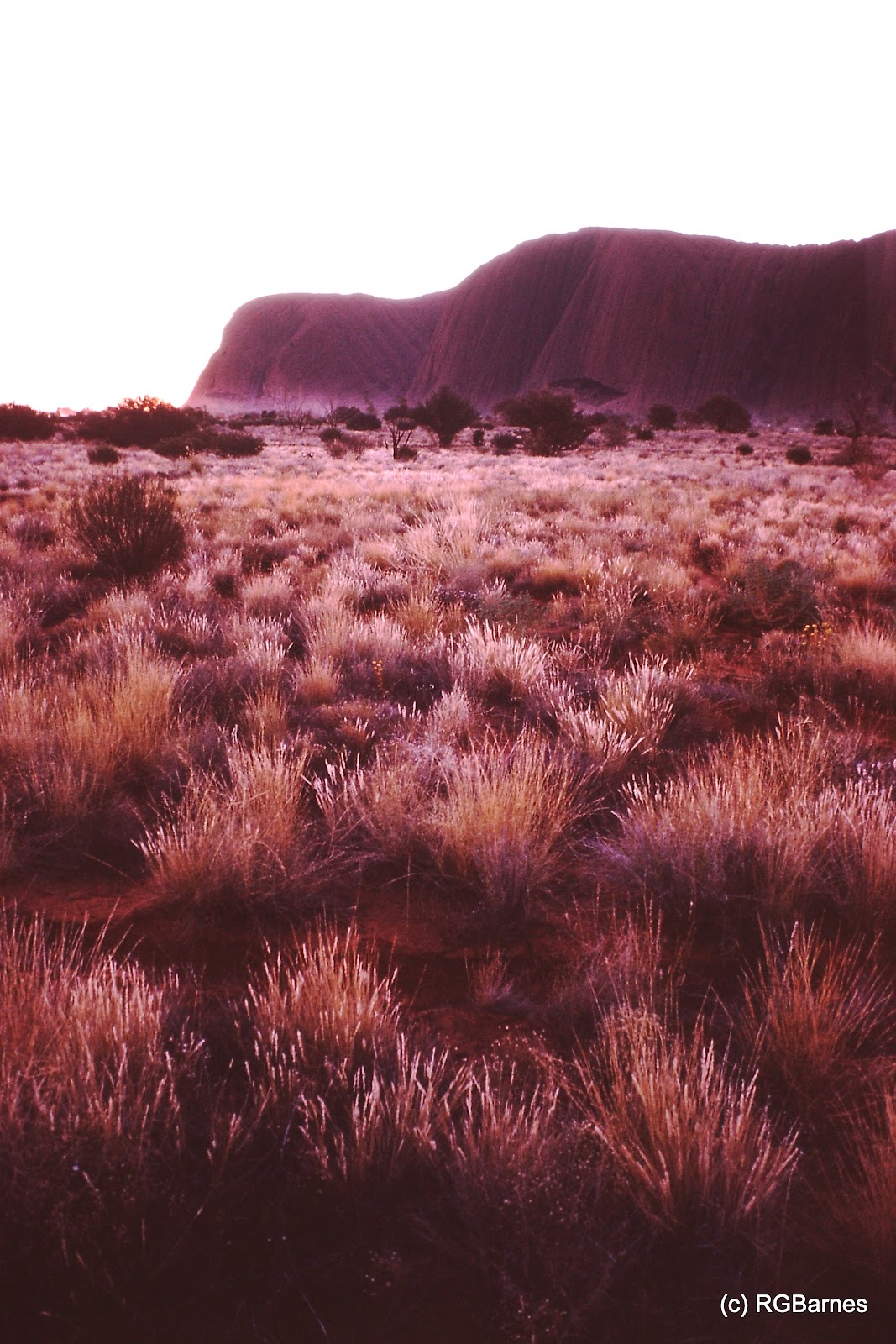
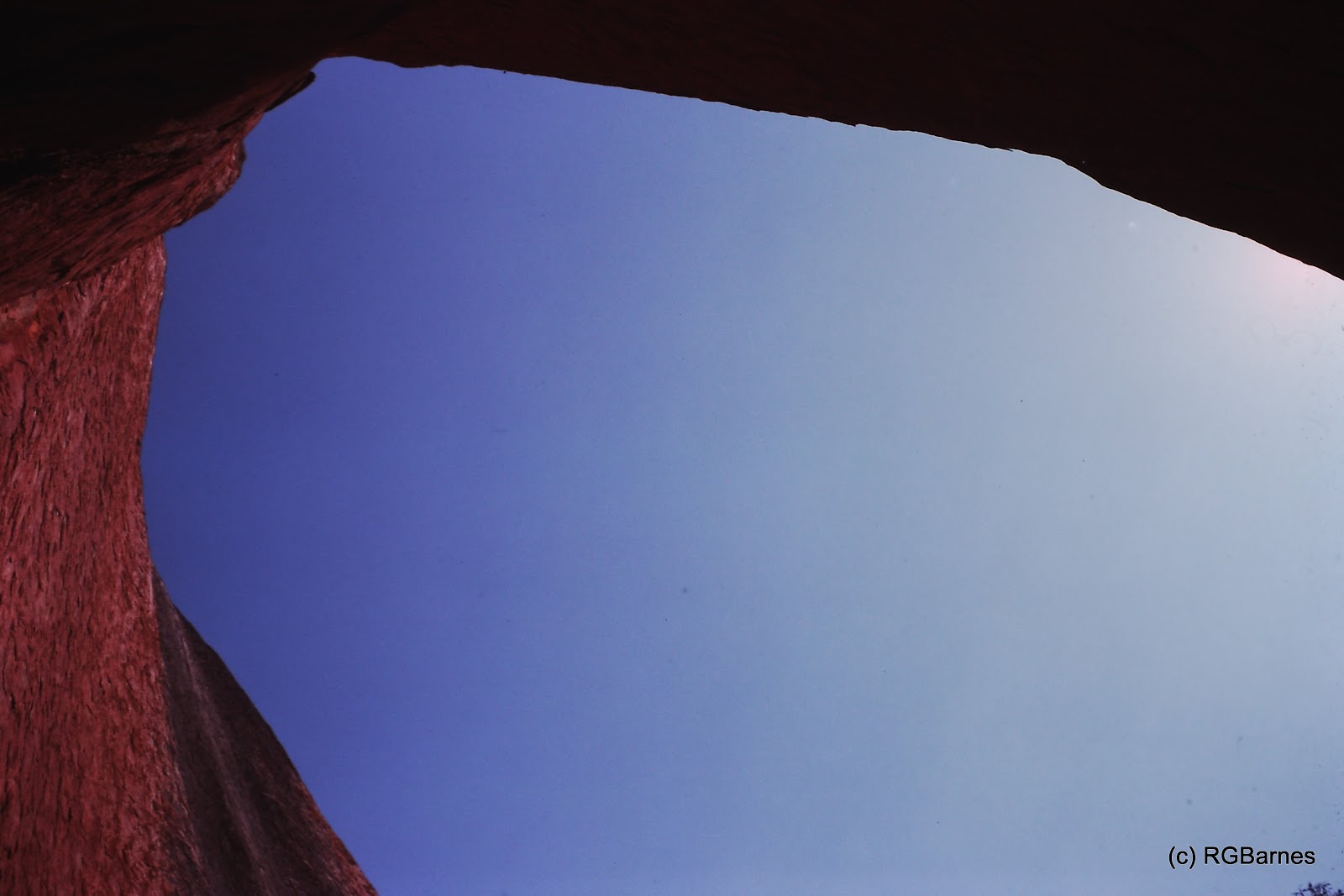
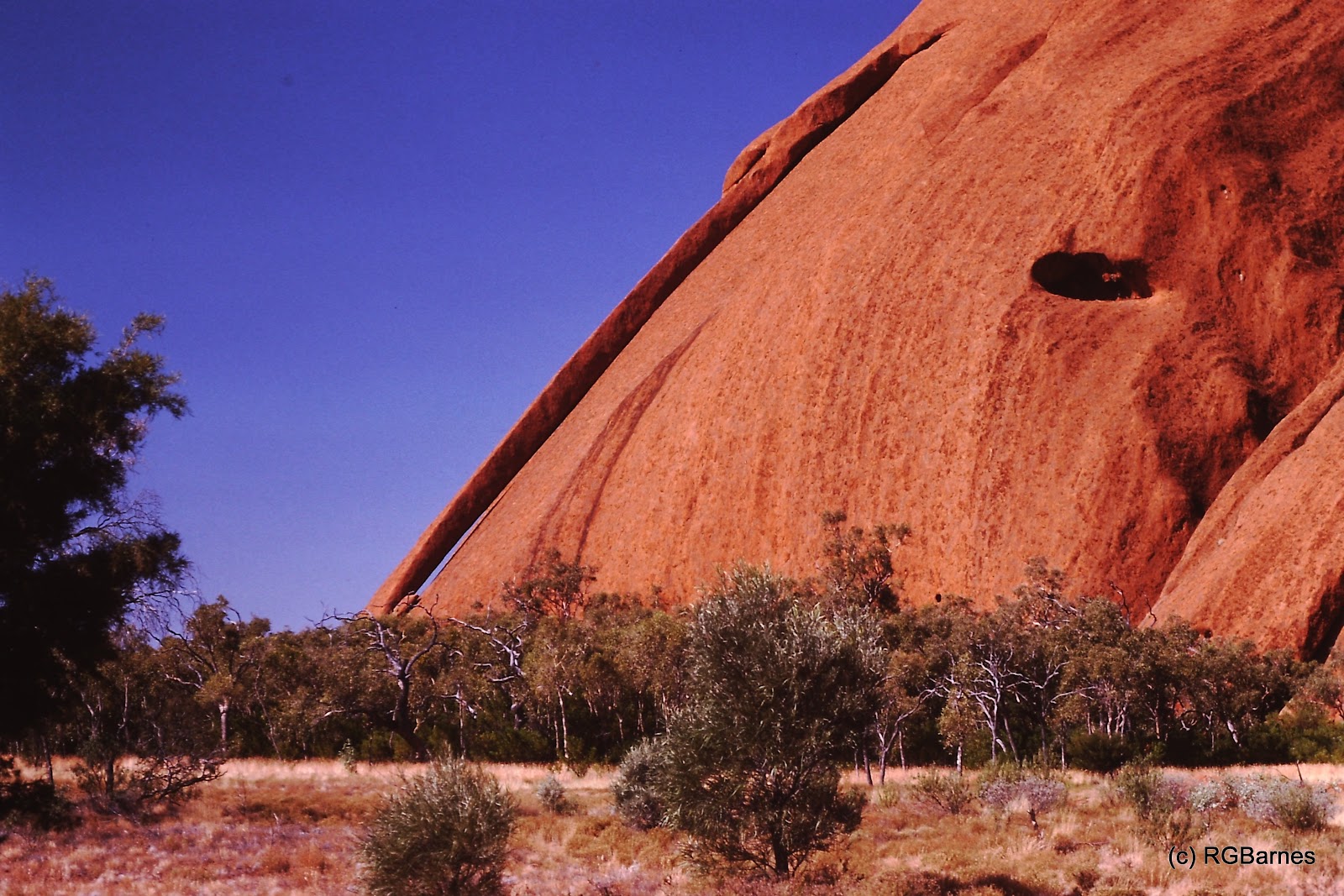
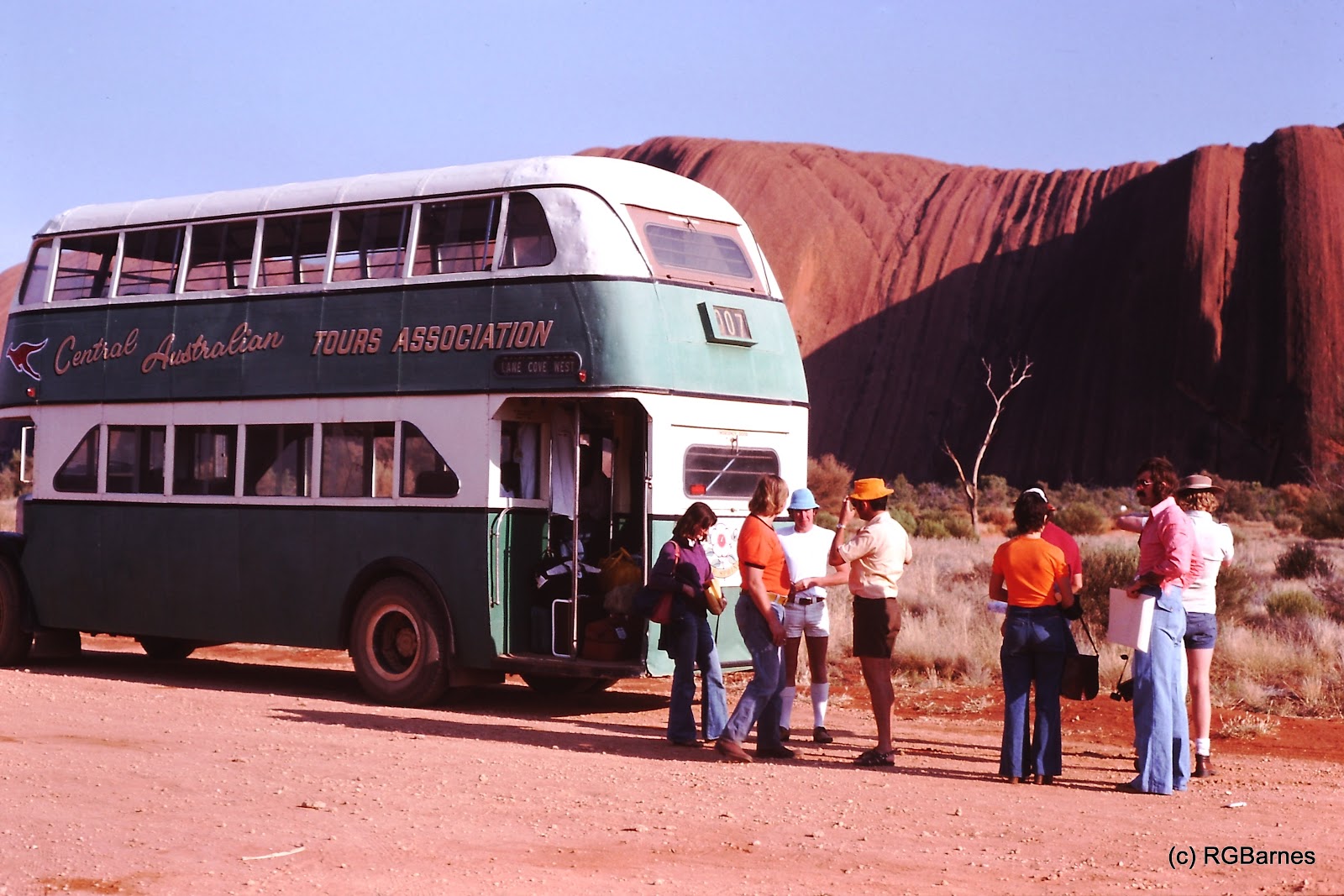
By late afternoon we were in the air heading to Ayers Rock now known as Uluru. In the 1970s Uluru was well known but only visited by an adventurous and self-reliant few. There was no town, just a small collection of primitive cabins. The local people were in camps mostly out of sight. Circling the Olgas now called Kuta Juta and then the Rock just as the sunset set was spectacular. We landed on the small airstrip close to the rock and were enveloped in dust. The next day we were driven around the rock in an old double decker bus which would have been retired from Sydney - remarkable that it made it all the way out there.
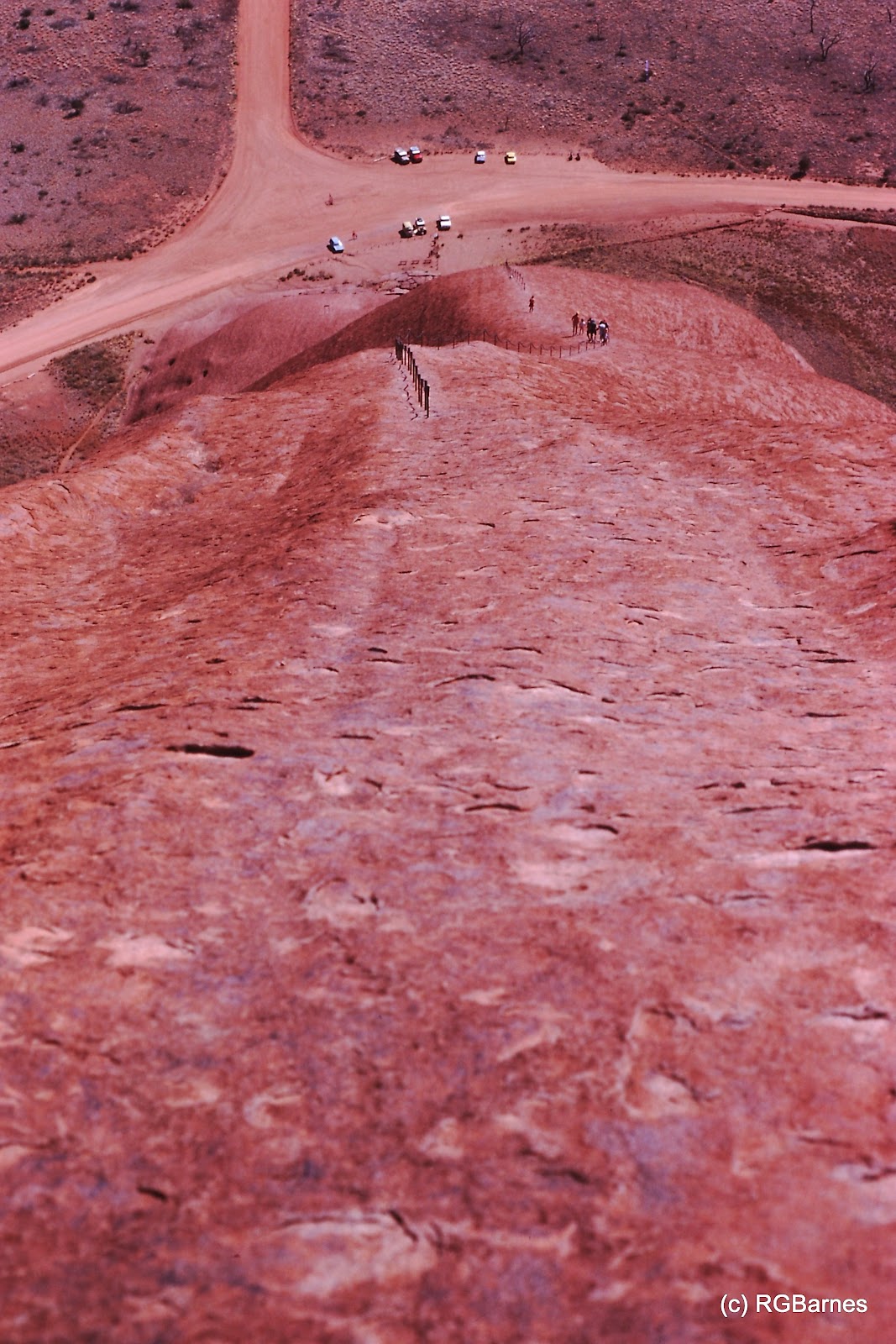
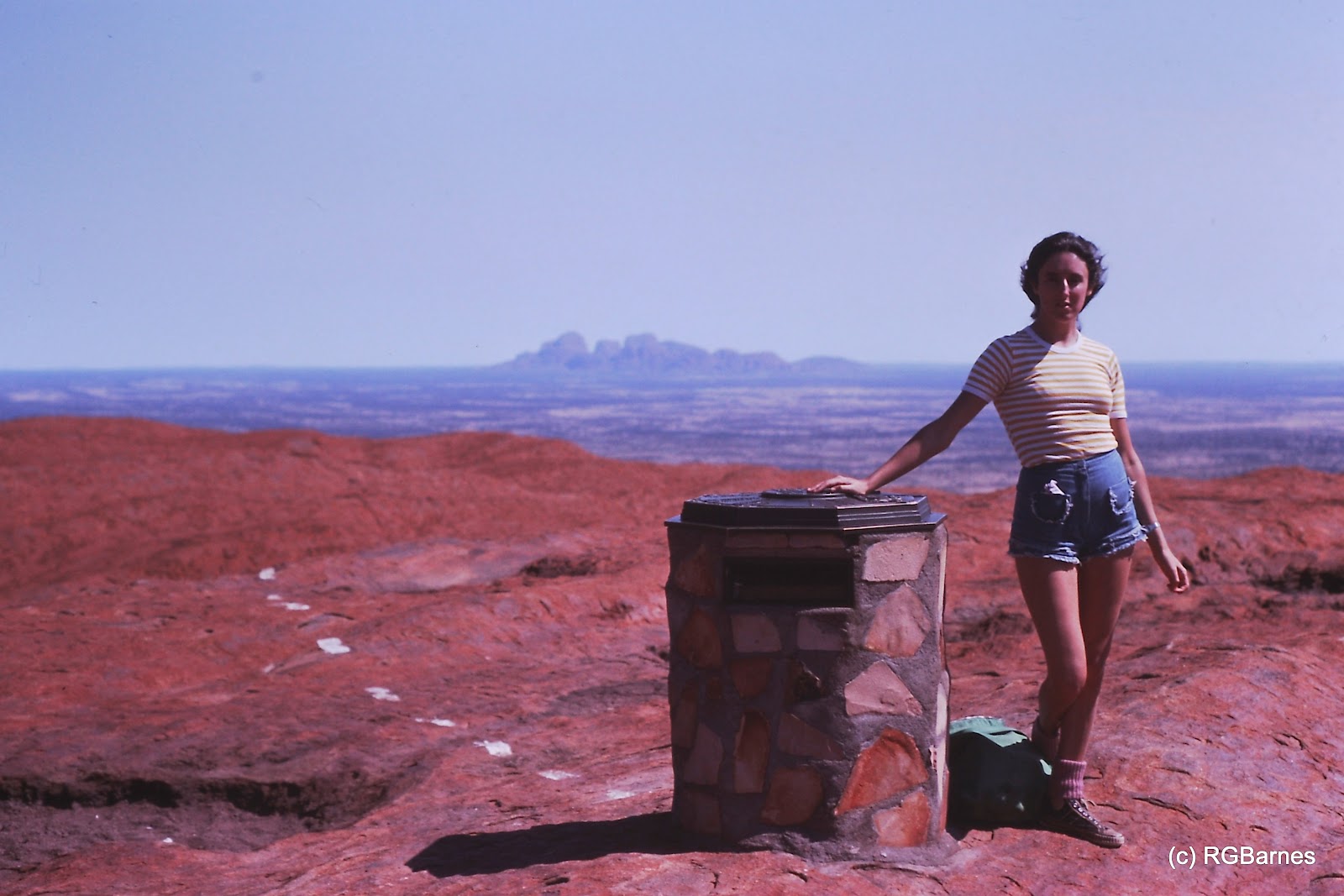
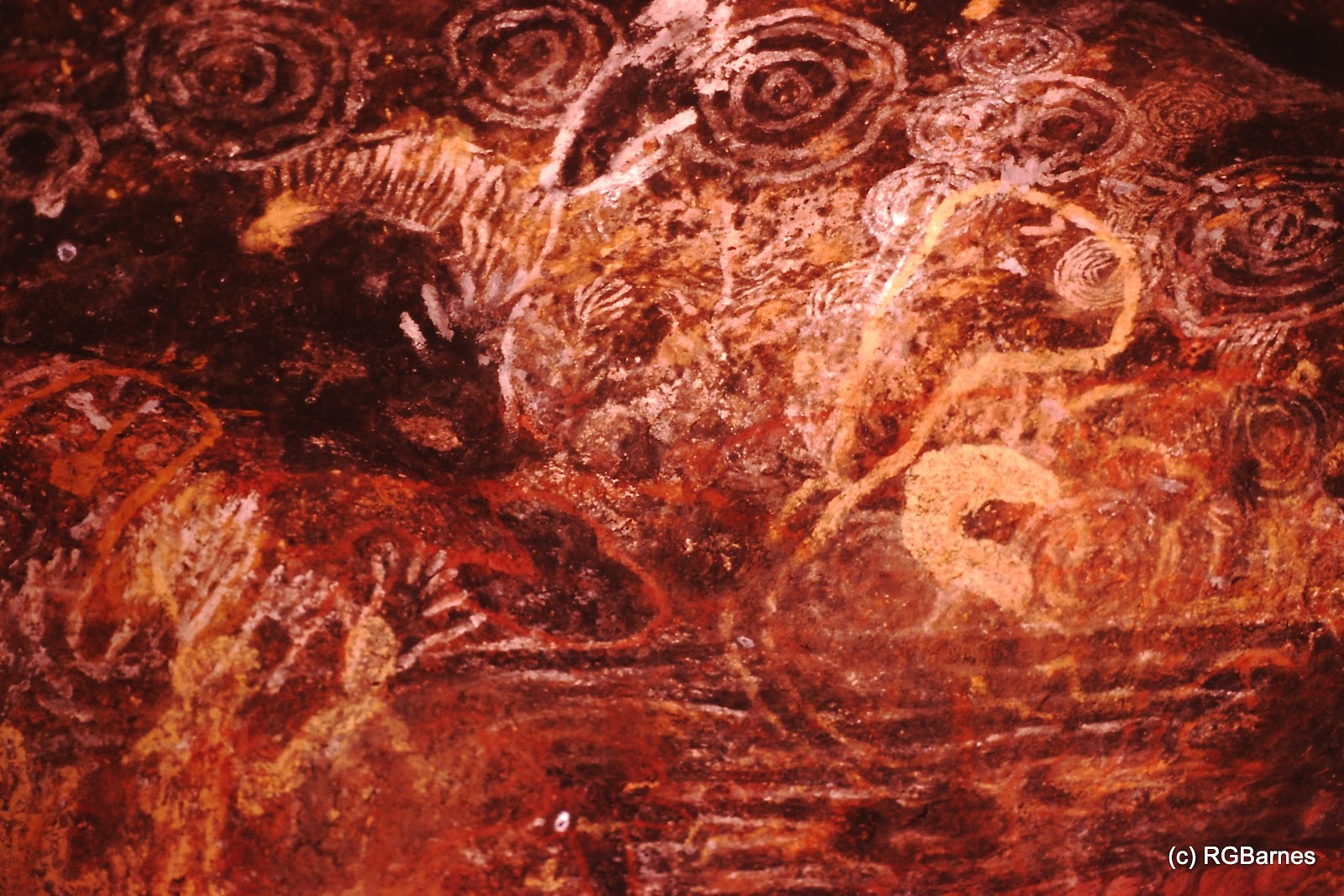
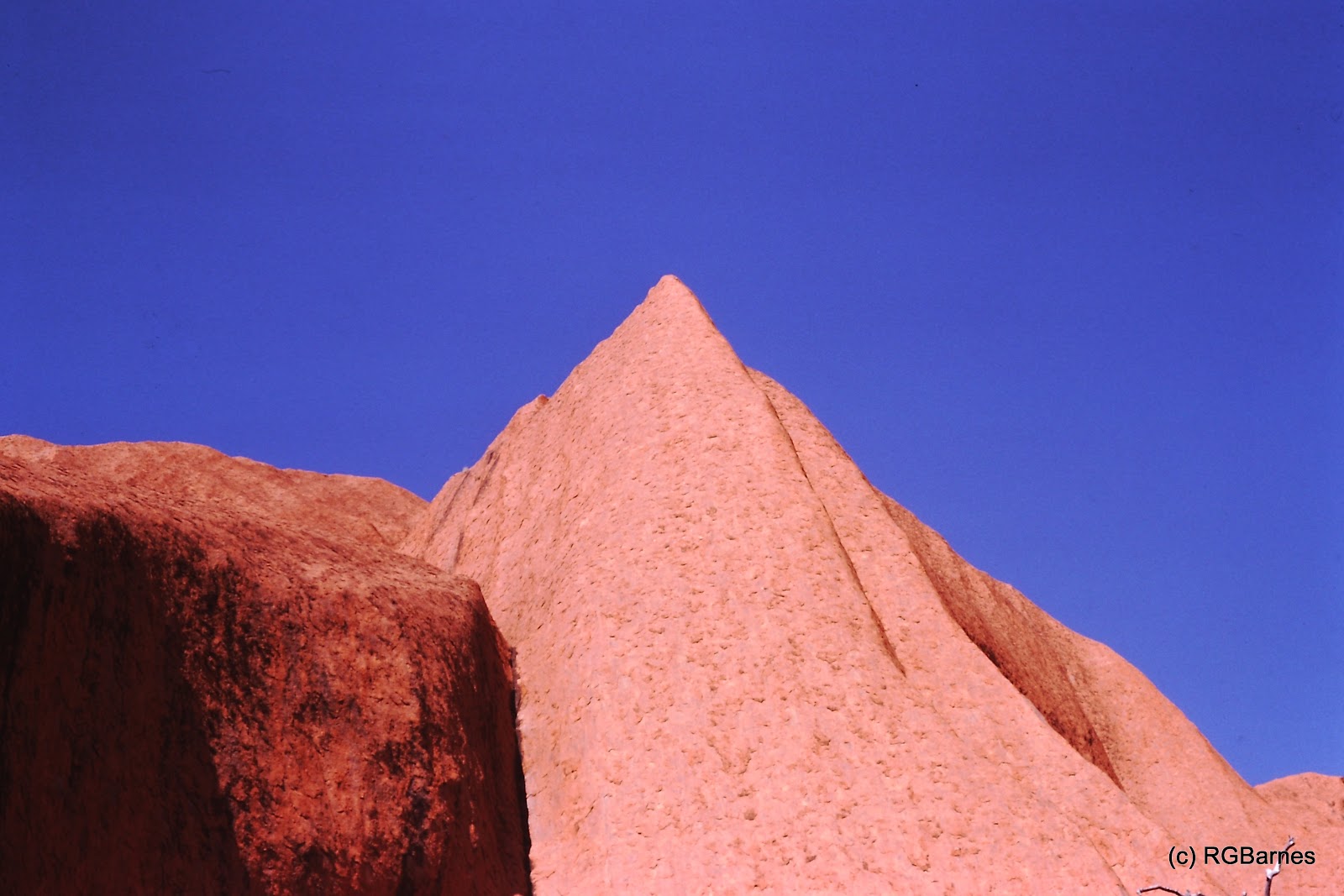
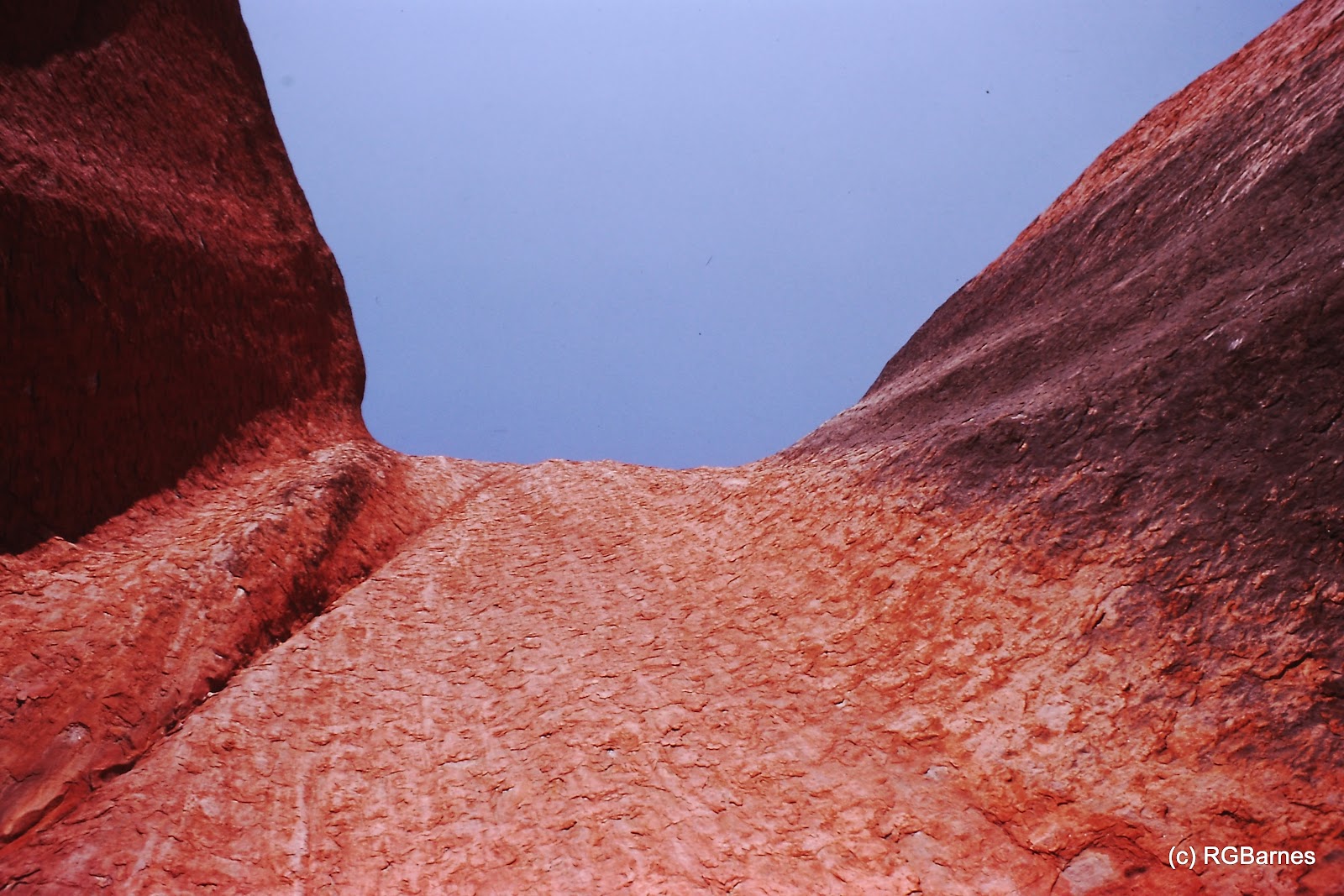
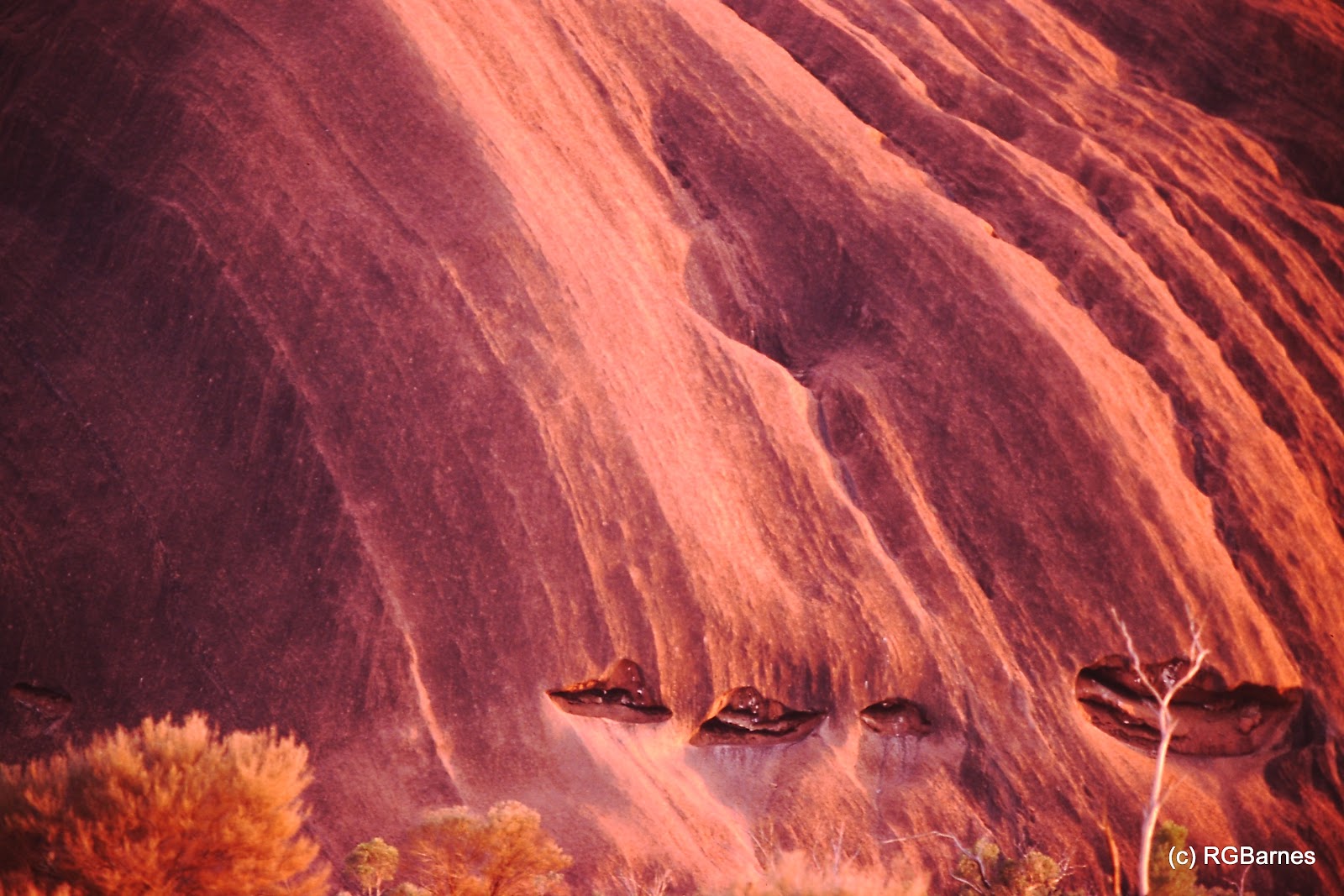
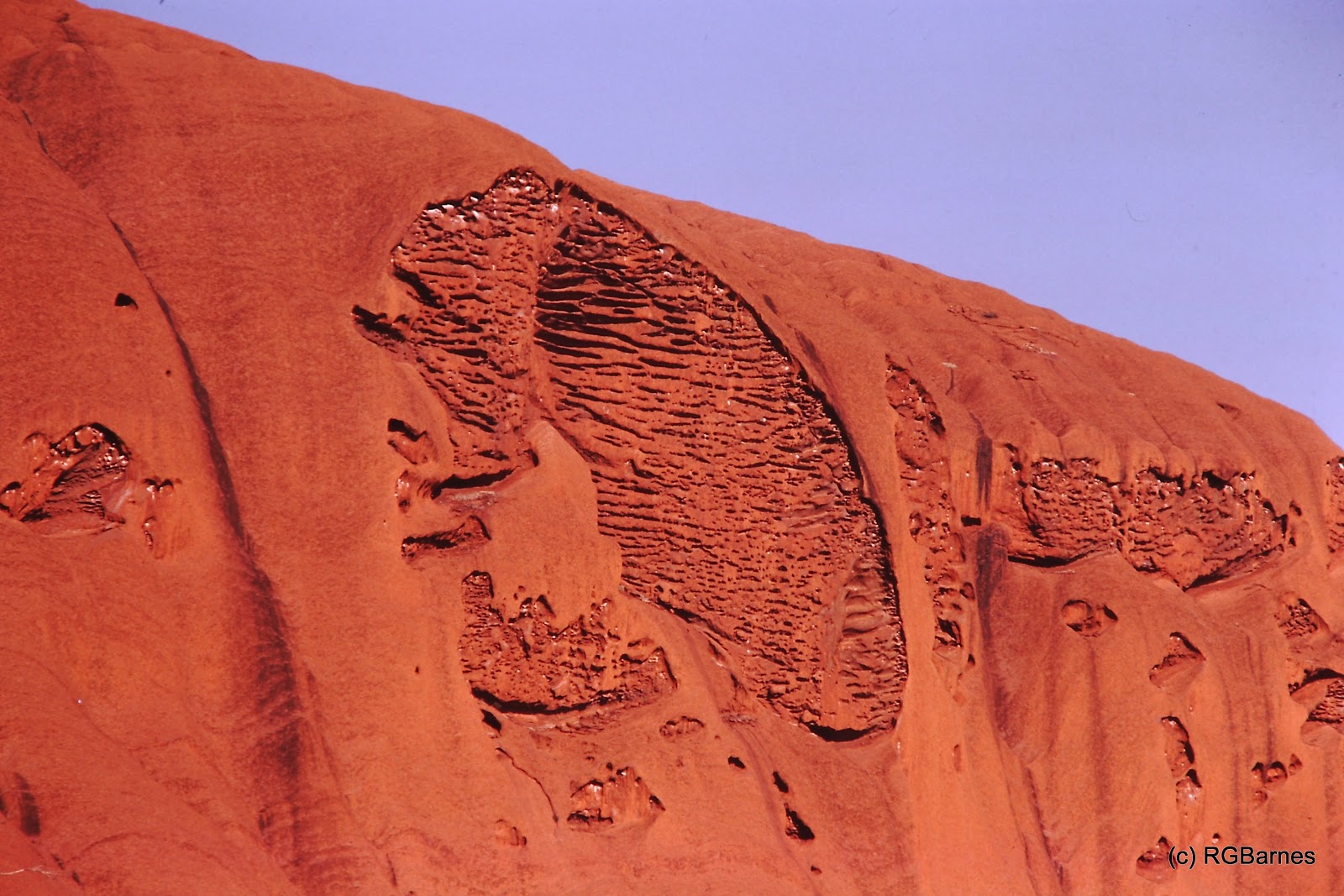
Climbing up the rock was common practice at those times. There were just a few vehicles at the base of the climb. Climbing the rock wasn’t a bucket list thing - it was a spectacular and quite moving experience. The climb is very steep and in parts very exposed but on reaching the top, the views across the expansive plains was almost mystical. Vast surfaces and forms around the rock created natural sculptures which can generate their own messages to the visitor. Uluru is indeed a very special place. Our visit was long before the ownership was passed back to the local people and at the time of our visit the locals were living in slum-like like conditions not far from where we landed.
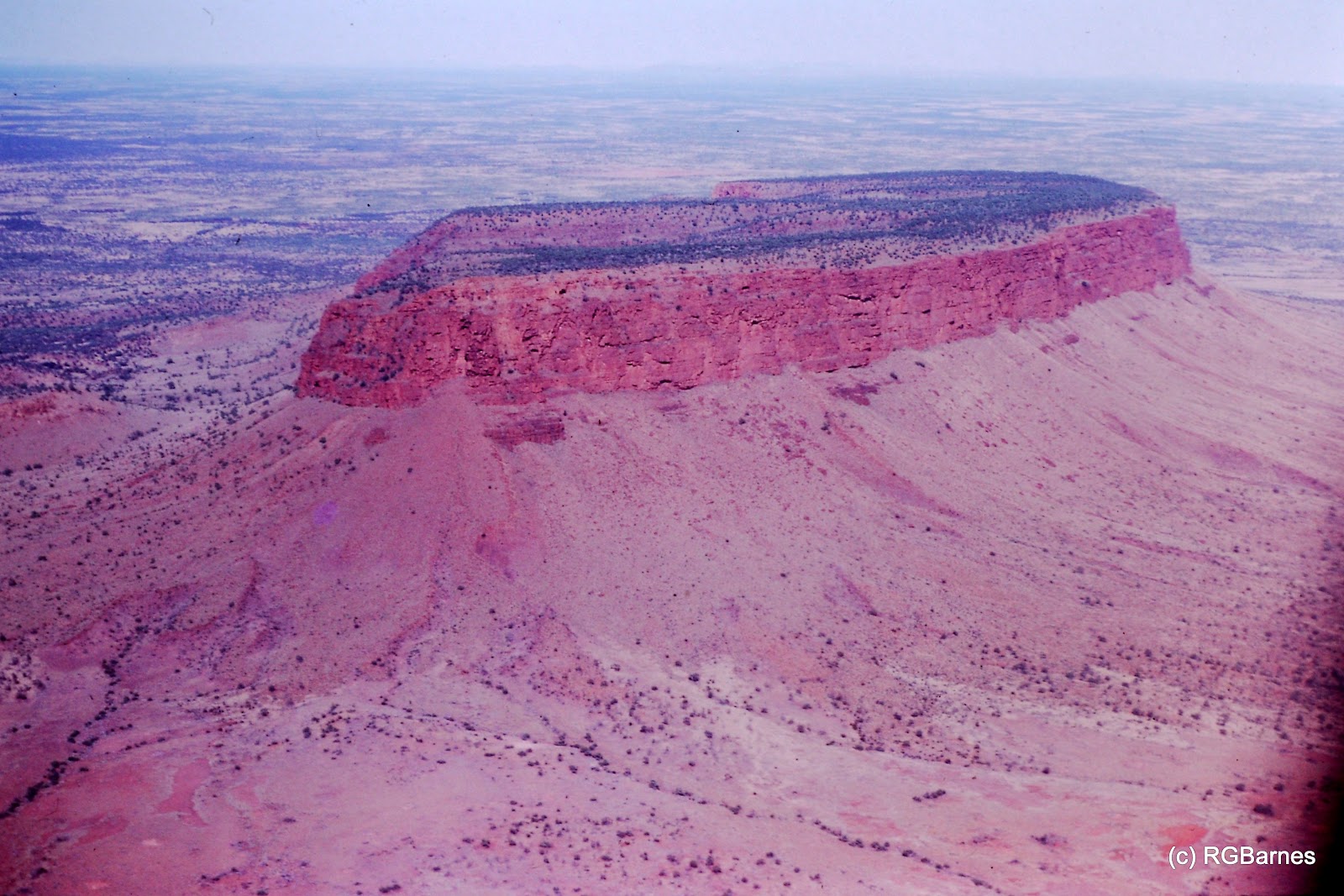
The trip on Monday, back to Broken Hill generally followed the reverse course of our trip out. We circled Mount Conner, south of Uluru, which looked like an ancient castle defending the outback.
Foxtrot Delta Yankee being refuelled in Oodnadatta
About halfway between Uluru and our stop for fuel at Oodnadatta, I sensed a certain edginess in our pilot. Many radio contacts were made as we flew - Foxtrot Delta Yankee, our call sign is still embedded in my memory. We had been flying for hours over the stony desert and Don seemed to be spending a lot of time looking out the window and down at the ground - quite different to our outbound flight. After a while I realise why. A small stream of oil was slowly working its way out of the engine cover and up the windscreen. Don didn't say anything and nor did I. I didn't want to cause concern to the others on board. He was obviously looking out for possible landing sites should there be a problem with the engine. As it turns out we made it to Oodnadatta for a fuel refill and engine check. Thankfully there was a simple low-pressure leak of little consequence. Flying across the vast continent in a single engine plane could have had significant consequences and even if we had landed in an emergency, it could have been days before we were found - just another speck amongst a billion others. We crossed the Barrier Rangers as the sun set and we had completed our first dash into the red centre - short but full of fascination.
More pics below