Monday, May 22, 2017

Harvester Dreamings


I was zooming around in Google maps looking for Nungarin in the Western Australian wheatfields when I noticed how amazing some of the patterns formed by harvesting wheat. The patterns reflect the landscape and those harvesting. They have become accidental art. Moving further afield I found patterns in rock dumps at mines and in irrigated fields.

A little bit of mucking around with them and I have a series of images "Harvester Dreamings".

Why was I looking for Nungarin? It was an old army camp where my mother and father met during WWII. during WWII.


Tuesday, January 10, 2017

2016 - a year of adjustments

2016 - a year of adjustments

Sometimes the pillars of our life are shaken, this year by the death of a loved one and by moving home. Each is a big event, but to have them overlap with other stresses makes for a great deal of angst and adjustments.

The year did not start well - with the death of Lou’s dear sister, Lyn Chant. She had been overwhelmed by aggressive brain cancer. Her family and especially her husband Warwick gave all they had, to hope for a positive outcome, but it was not to be. Lyn and Warwick were our relatives, but were also friends and confidants. The inseparable were now separated. She was loved and remains so loved.
P1000899.JPG

Warwick, Lyn and Louella at Mougamarra a few years ago

By comparison, other adjustments seem trivial, although they too have been demanding in their own ways. The second shaken pillar was our move from our home in the Hunter Valley to Toowoomba. We bought a lovely home in Toowoomba in 2015 but it took nearly a year to sell our home in the Hunter Valley where we had lived since 2007. Our Windella home was huge, so we had plenty of room to spread out. And we had a large block - about 4000 square metres. We had moved out and shipped our things to Toowoomba but had to maintain a few things while the place was for sale. I ended up taking multiple trips back and forth over the year. It was difficult to go back to a now empty home full of fond memories and essentially camp in a huge, empty house. The delay in the sale also put us under additional financial pressure, which we previously didn’t have. And this was also in the shadow of Lyn’s slow, but inevitable, death.
So I couldn't really socialise or make many plans. When the sale of Windella was finalised it was a HUGE relief.

20160421_083358.jpg
Sold at last

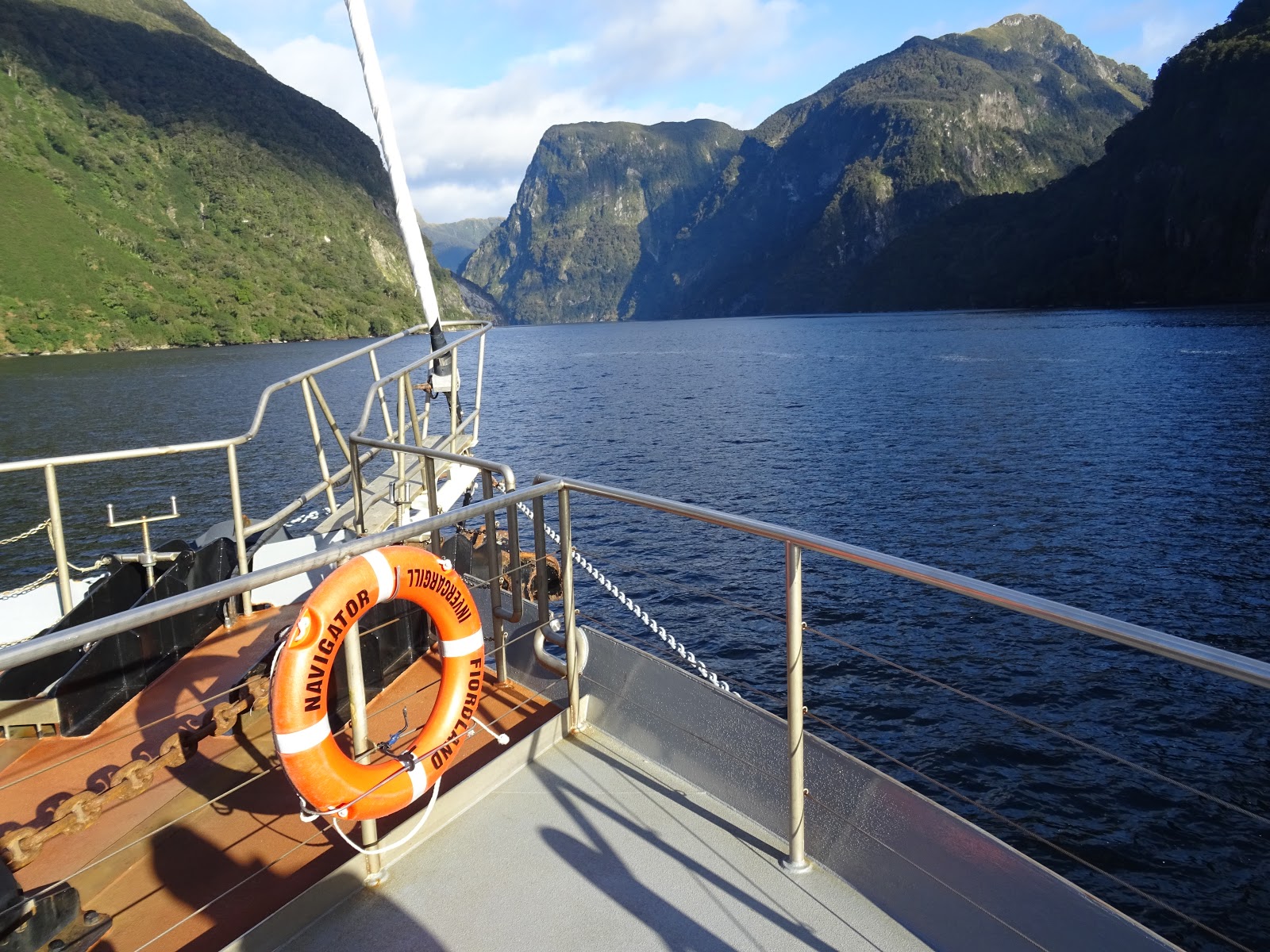
After the money finally arrived it was only a couple of weeks before we took off to New Zealand for a month long break. What a great trip it was - South Island - no plans staying for as long as we wanted, as we travelled about. - it was a superb unwind from the tension earlier in the year. It was all great but my favourites were Dunedin and our trip from Te Anau to Doubtful Sound.
DSC03288.JPG

On the Navigator heading back into Doubtful Sound, South Island New Zealand

We came back refreshed and it felt like starting fresh in our new home.

Being close to family was a large part of our move although moving meant inevitably being further from other members of the family, specifically my mother and surviving brother Greg,  and for Lou being further from her unwell sister. One way around this was to make better use of technology and use Skype at family gatherings: this has worked well.

Simone and Jerry’s children, our grandchildren, in Toowoomba, are ceaselessly entertaining and are ready to absorb as much as they can as they have grown. Seeing little Frederick through to his first birthday was wonderful as we had missed much of the early childhoods of Seraphina and Theodore. Our new home has a safe, enclosed yard and the kids can extend themselves in all kinds of ways - play, sport, puzzles, learning, music, dance - this list goes on.

Later in the year, Diana returned from a year away in Darwin, with her beau - Lee. Both quickly found good jobs but are themselves having to adjust to life in a new town far more conservative than the cosmopolitan Darwin. They both remain busy with their new jobs and in setting up and maintaining their new home. In October I travelled with my brother-in-law, Warwick, to Cobar to attend the Australasian Mining History conference. We had a great time traversing the extensive plains of western NSW and truly ventured to the Back of Bourke. Our travels can be seen at http://robsgoldvine.blogspot.com.au/2016/11/toowoomba-to-cobar-travellers-tale.html

Lou and I have now settled into more of a routine. We have undertaken some courses through the U3A - University of the Third Age. I have been doing a maths course, which is revising much mid high school maths. We have together been attending a course on investing. Seniors and retirees are constantly working on ways to extend their incomes, even by just a little.

I have continued a part-time activity - running the twitter accounts of two small mineral exploration companies. This keeps me in touch and doesn’t require much time. Even better, it can be done pretty much anywhere, even on the lounge in front of the TV.

I have virtually stopped watching TV news, or listening to radio news as has it has been full of angst and annoying politics - firstly the seemingly endless and unnecessary Australian election, and then the US election. I find I can keep well informed by on-line newspapers or directly through Twitter. I would not trust much that comes in via Facebook. Twitter on the other hand can report events in real time - and by on-the-spot participants. A great example was the huge NZ earthquake. I’m sure if there is something important, I’ll get to hear about it. My twitter handle is @RobBarnes112.

I read some great books in 2016 - I want to keep up reading - it is very easy to be distracted to time wasting on-line. Two standouts were 1788 by David Hill -  the story of the First Fleet coming to Australia and Darwin's Armada by Iain McCalman which set the scene behind the development of the ideas of Darwin and others leading to “The Origin of Species”.
Musically, we continue to follow Live from Daryls house  http://www.livefromdarylshouse.com/ which has new live shows each month .  I discovered Joe Bomamassa this year and his performance with Jimmy Barnes was outstanding - find it on line at https://www.youtube.com/watch?v=D99LZg18OWg or the fantastic Lazy https://www.youtube.com/watch?v=69EcnxJmnd4

I also discovered Chromecast in 2016- cheap ($50) and which can be used to show things from a tablet to the big TV. The NBN arrived but the only difference is that it is slightly faster.

So I hope we move from a year of adjustment into a year of consolidation and new challenges and friendships.

Signing off from 2016

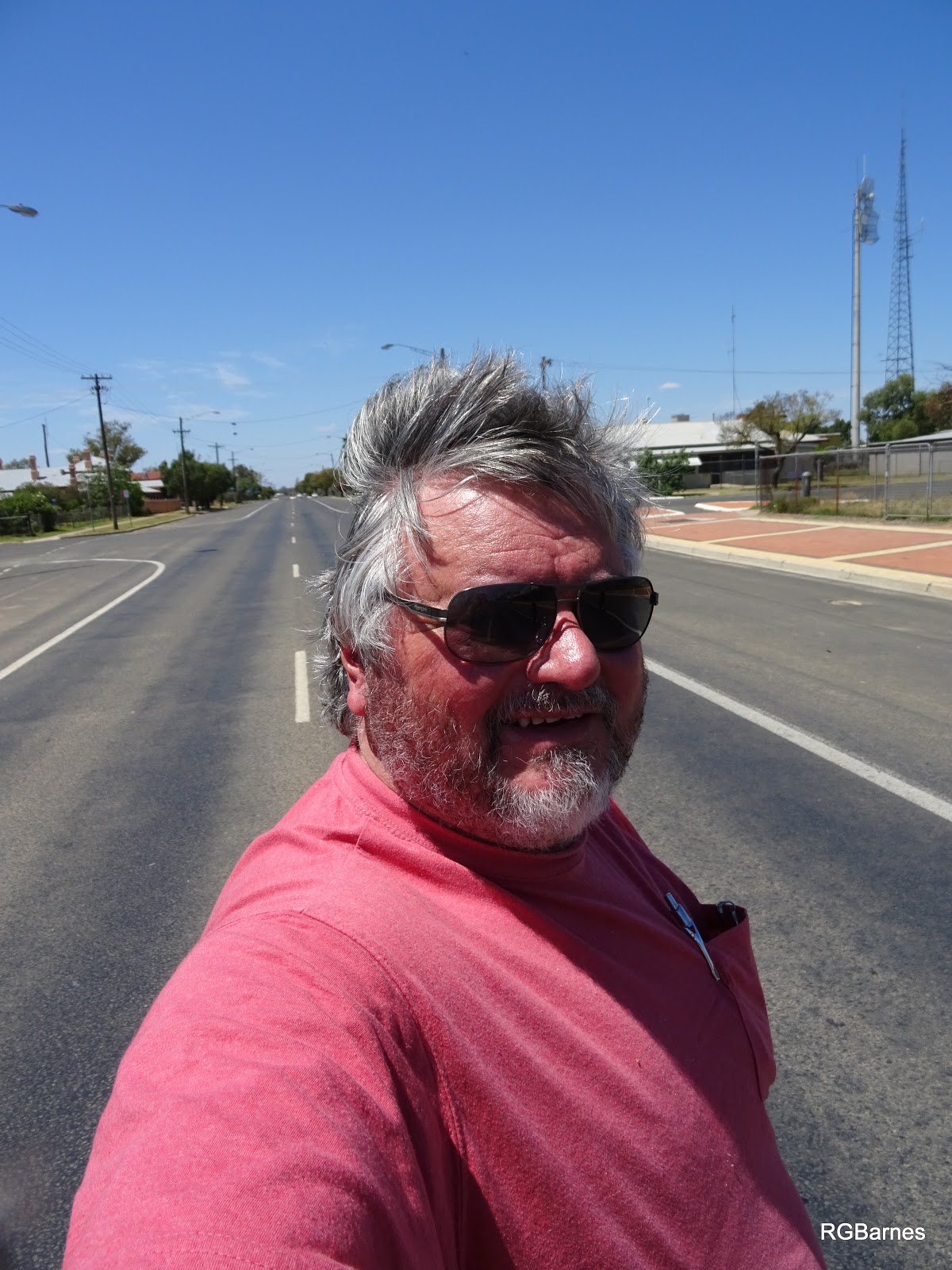
Rob Barnes


DSC02335.JPG
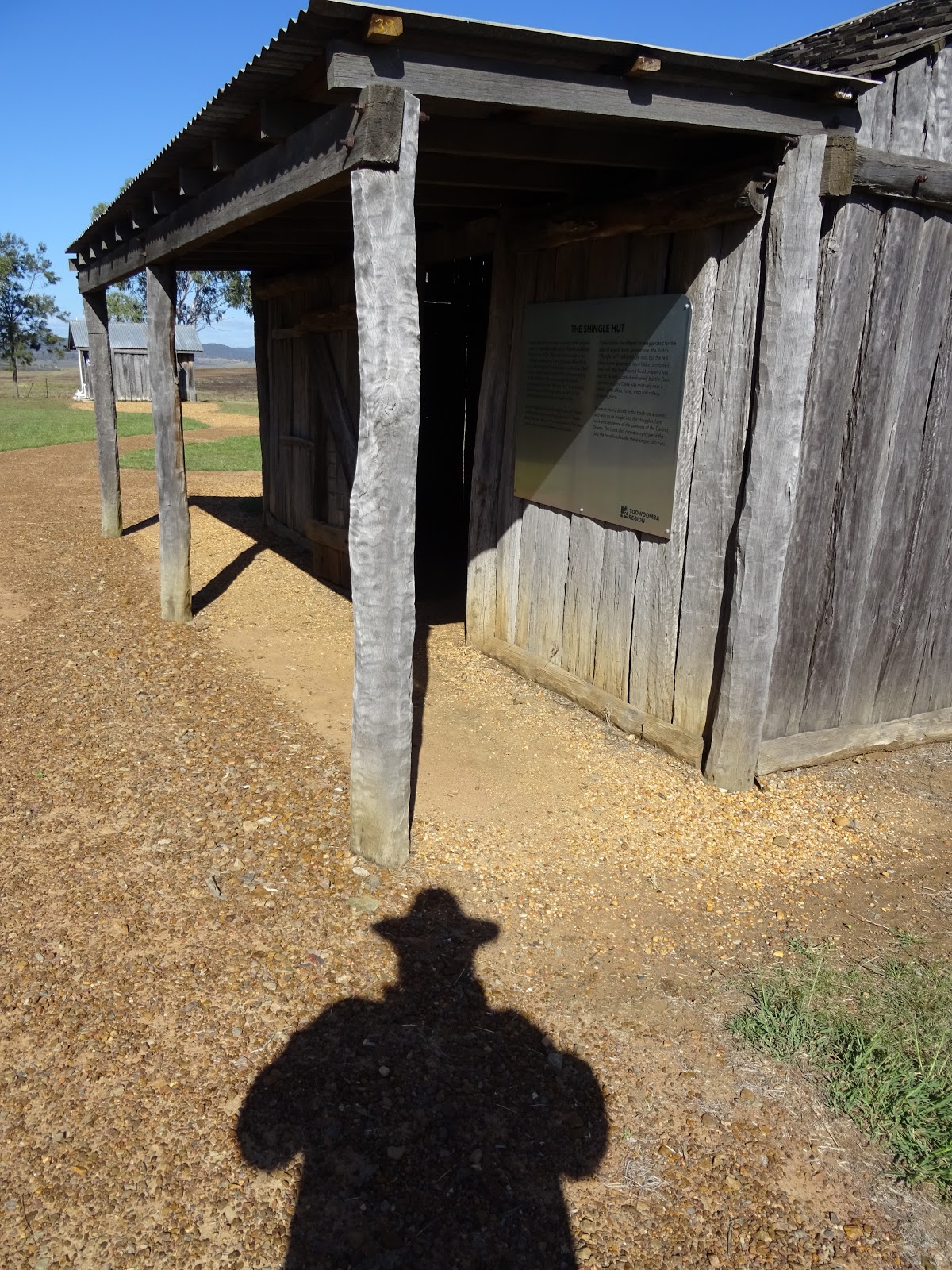
At Steele Rudd’s hut, south of Toowoomba

Thursday, November 10, 2016

Toowoomba to Cobar - a traveller's tale 2016


To go west from Toowoomba is to follow the flow of water from the Great Divide towards the ocean in South Australia. This is part of that journey.

You slide off the ranges through increasingly broad valleys and past scattered volcanic knolls. Lines across the landscape mark out the productive fields with their rich black soils. There is activity all around, tractors in the fields, a puff of dust from ploughing, large trucks laden with grain or stock and hamlets and towns with their bright signs and green parks. Hours pass and the sky broadens and you become part of the vast alluvial plains which stretch from Queensland to the great flood plains in northern NSW.

The landscape on the plains, both beautiful and monotonous, feels everlasting. Only occasionally do taller tree mark subtle channels which fill for miles after big wets to the east. Then come the small signs on the broad bridges marking the rivers - not rivers as most would know then, but small depressions with their quiet fawn coloured pools, sometimes separated, sometimes connected.

Bustling towns and highways full of busyness give way to scattered lonely homesteads and villages with a single store or, if you are lucky, a pub and a petrol station. Some lie near the river channels, their stilted houses perched above the flood peaks. Some sit at cross roads or next to forgotten railway lines.

We reach Moonie sitting at a crossroad. It’s Saturday afternoon and the pub on the corner has a fleet of muddy and dusty utes in its carpark. Across the road at the side of a park is a large blue contraption - a preserved oil beam pump left over from the days when this was an oil field in the 1960’s showing lots of promise but which always remained small. A quick snap and we move on.
DSC03608.JPG

At St George there is also a pub on the corner - it is very much larger. In my memories from decades ago it was huge. Yes, it is two stories, but modest. The streets are broad, and down by the park the 4G phone signal is very strong. I look up and see the tallest structure in town looming overhead. All the houses are perched as if on long legs. No cafes are open. The local Foodworks provides bread and oddments which we happily consume in the cool breeze blowing across the river into the park beside the water.

South from St George the highway has few cars, perhaps four in an hour. Floods in recent times have eroded patches of road and potholes require careful avoidance. Slow speeds across the low roads adjacent to the river for best part of an hour. The low concrete dips across channels and roof high grass tell of times when the river could have been miles wide and the road impassable. Then a dramatic turn west to Diranbandi as the road parallels the western rail line.  The road turns again, this time south, and soon we are again on the flood plains. The river is never visible but a line of taller gums marks its presence on the western skyline. Emus and kangaroos loiter in roadside paddocks. The maps show a lake beside the road but its presence is only marked by taller gums and the grey soils of the flood plains.

Hours pass until roadside signs speak of glistening prizes - opals. Opals - attraction to fortune seekers, the curious, the hopeless romantics, those seeking solitude and, these days, the grey nomads with their mobile domesticity travelling like snails across these parched lands. We turn into Lightning Ridge to be greeted by a special type of outback - a cross between the real and a theme park.

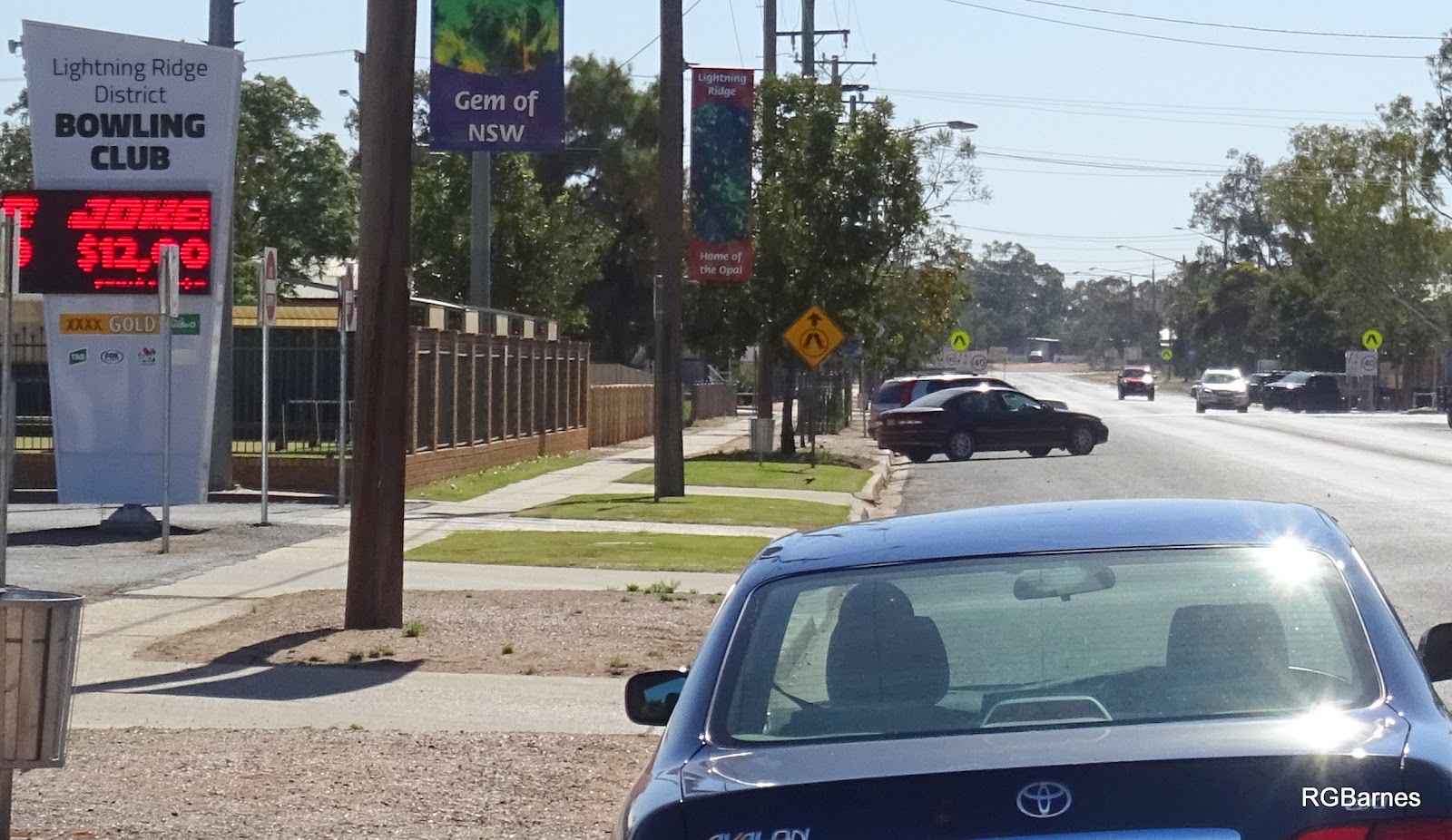
The streets are almost empty but the car park outside of the Bowlo is near full. We seek a room and end at the Black Opal Motel on Opal Street. “Geez, you’re pretty late. Lucky we have one room left, but only for one night - it’s the Black Opal Bowling Tournament this week you know”.  We retire to the 1950’s in our very modest room. Across the road and down a bit, the Bowlo is all steaks and schnitzels.
1-DSC03614.JPG
1-20161015_192312.jpg
02-DSC03615.JPG

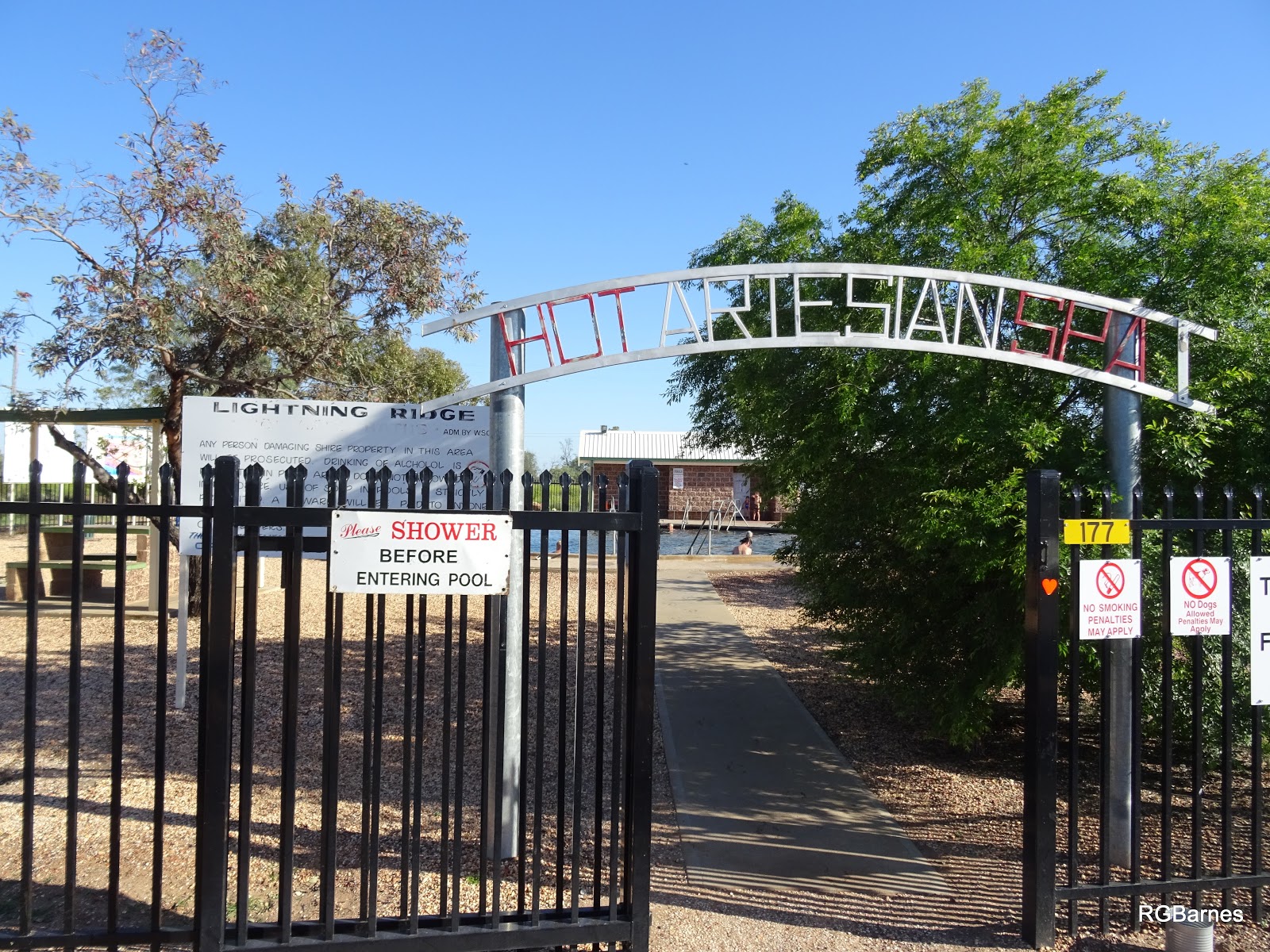
The morning, typical outback, blew warm with barely a cloud in the stark blue skies. A dip to freshen up in the hot artesian pool on the edge of town, soothing weary limbs of travellers and locals. A steamy mist rises from the circular pool. No gates, no fees or lifeguards - take care of your self. A local skims some dead mosquitoes from the top of the waters heated from far below ground. Multiple voices drift across the water - some local, some in foreign languages. Amongst the chatter, the occasional name of towns can be understood - clearly a road trip to the hot springs in Moree, Burren Junction, Pilliga.. Sweat exudes from the forehead. I climb the rickety iron steps and am cooled by the breeze. A faint sulphurous odour persists.

01-DSC03609.JPG

Peter from the opal shop is keen to talk - anyone will do on a quiet Sunday morning. Tales of fortunes and misfortunes, dealers and thieves - caveat emptor. I leave with some small but pretty opals in my pocket, wallet lighter. The petrol station is more like a super market with petrol - all sorts for all sorts. The man from India notices my city car and tells tales of how he had one of those once and how much he liked it. I ended buying the larger drink bottle for only 50 cents more. Through to the diggings - ordered and straight streets give way to chaos with scattered huts and abandoned cars, caravans with shades amongst the white ant hills, imagining small specks of colour but seeing none.

We are heading south to towns often heard of but seldom visited - the river towns which had their glory days when the river was the road and sheep grew money. Along the Barwon - Walgett, Brewarrina, Bourke. It has been a wet winter and in spring the countryside is blooming.

03-DSC03617.JPG

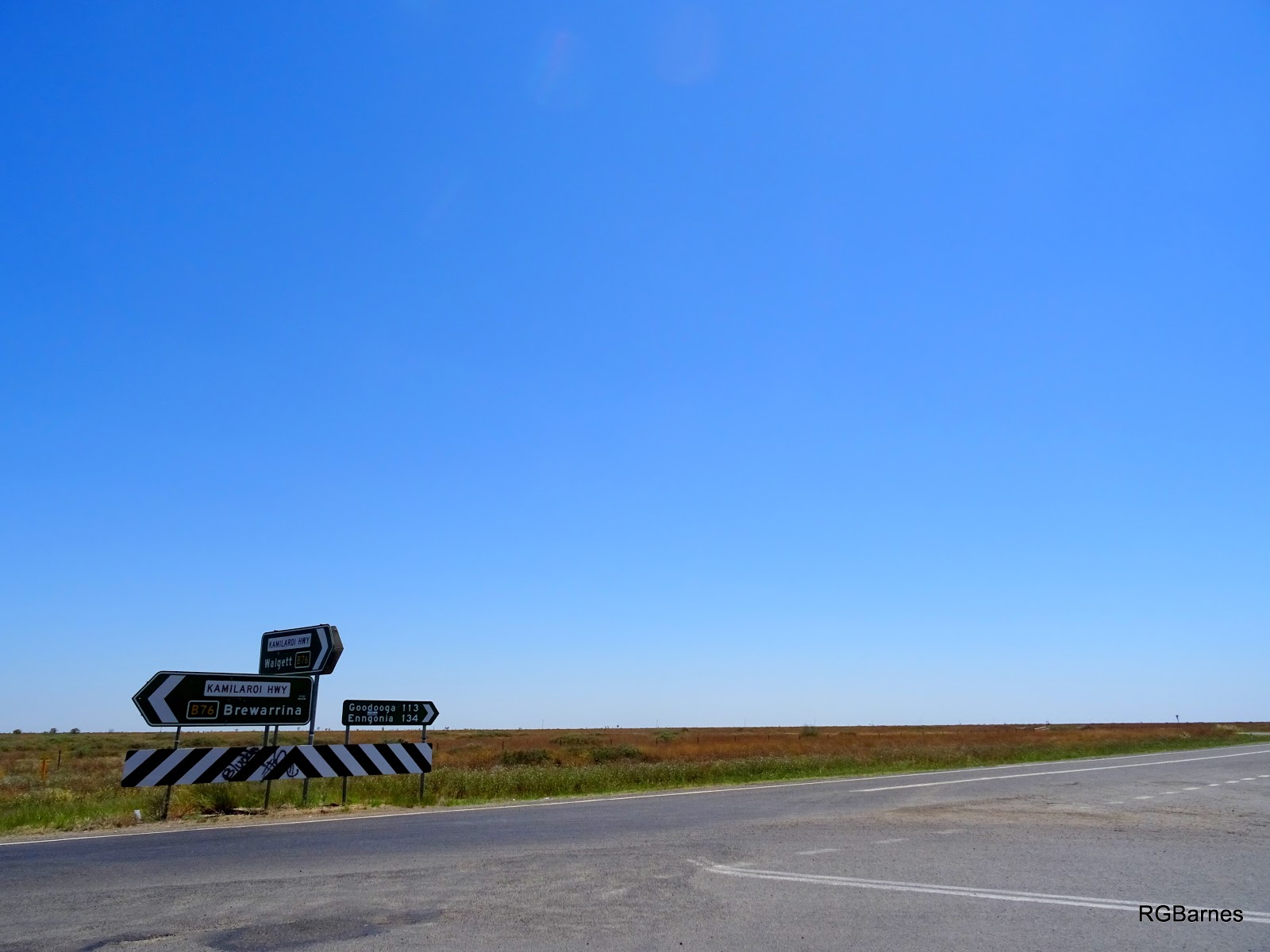
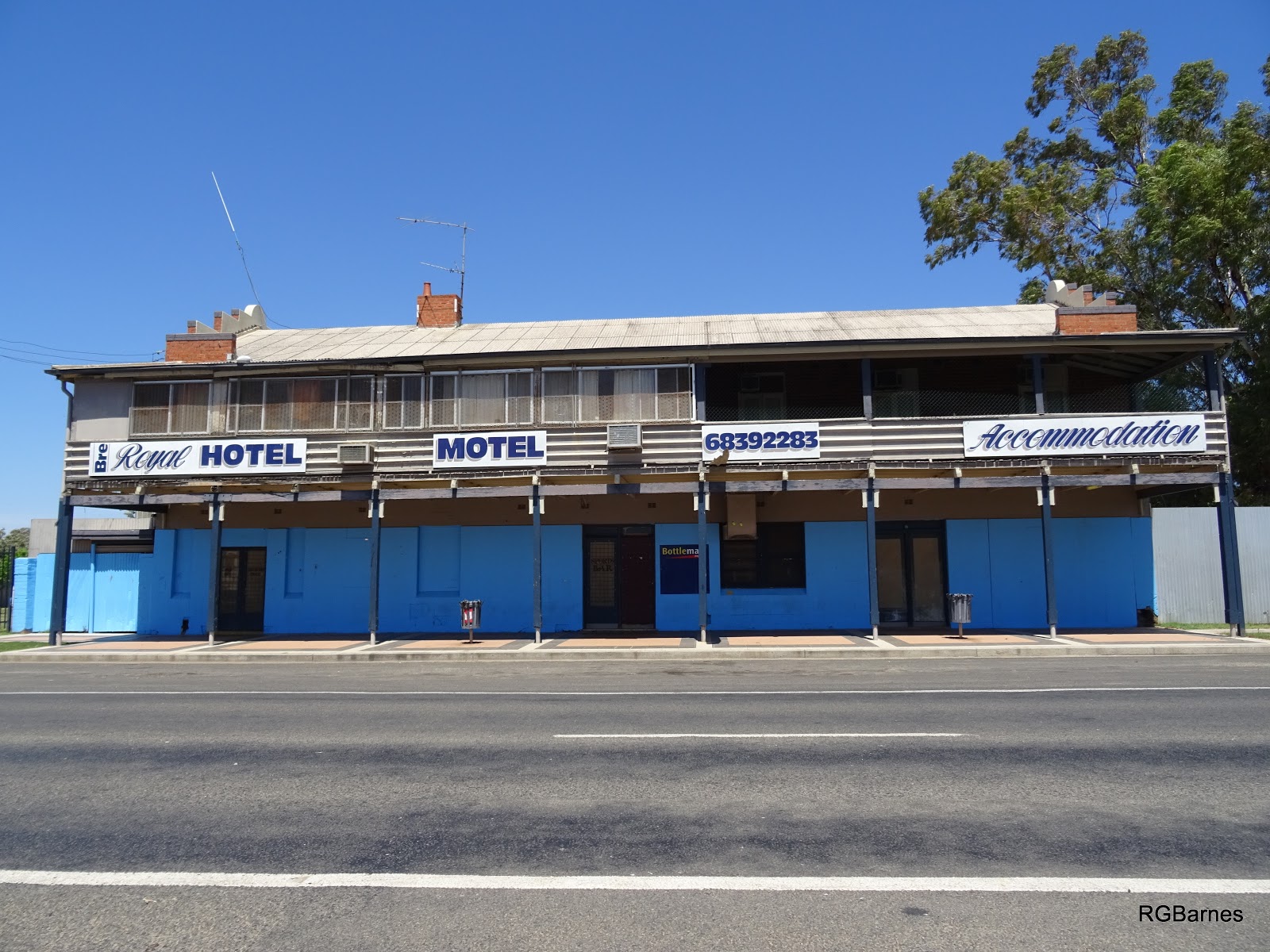
We cross the river at Walgett where it is wide but well held by levees. At Brewarrina the river flows fast, seats in the riverside park are now in the river. It’s Sunday morning and the wide streets are empty. A small cafe  door is ajar. We enter but are quickly told - “we’re closed”. Not even the pub is open. Time to move on.

05-DSC03622.JPG
04-DSC03620.JPG

In the next hour we pass several large road trains - obviously the Kamilaroi Highway is a quick route from the interior to the coast.

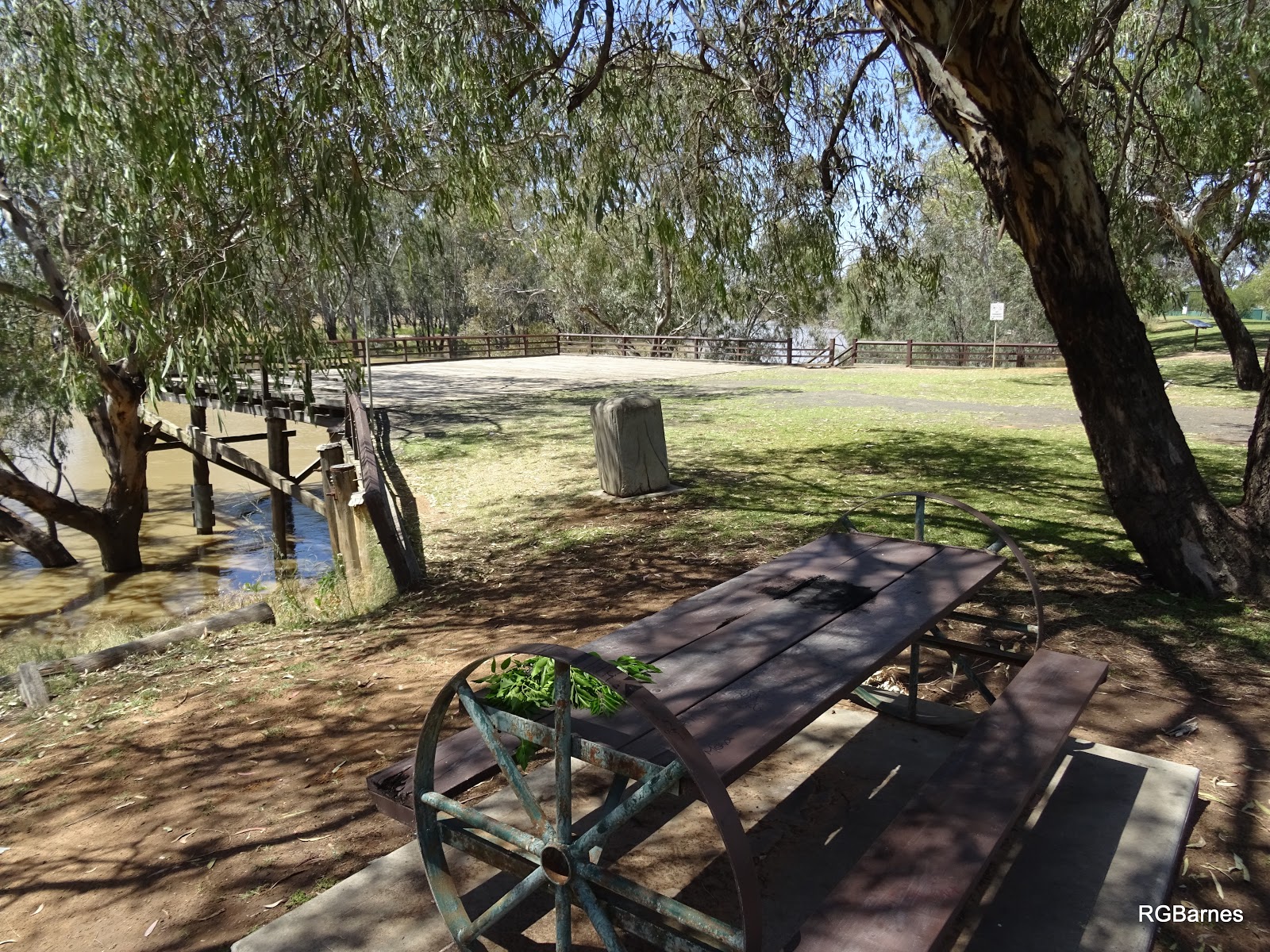
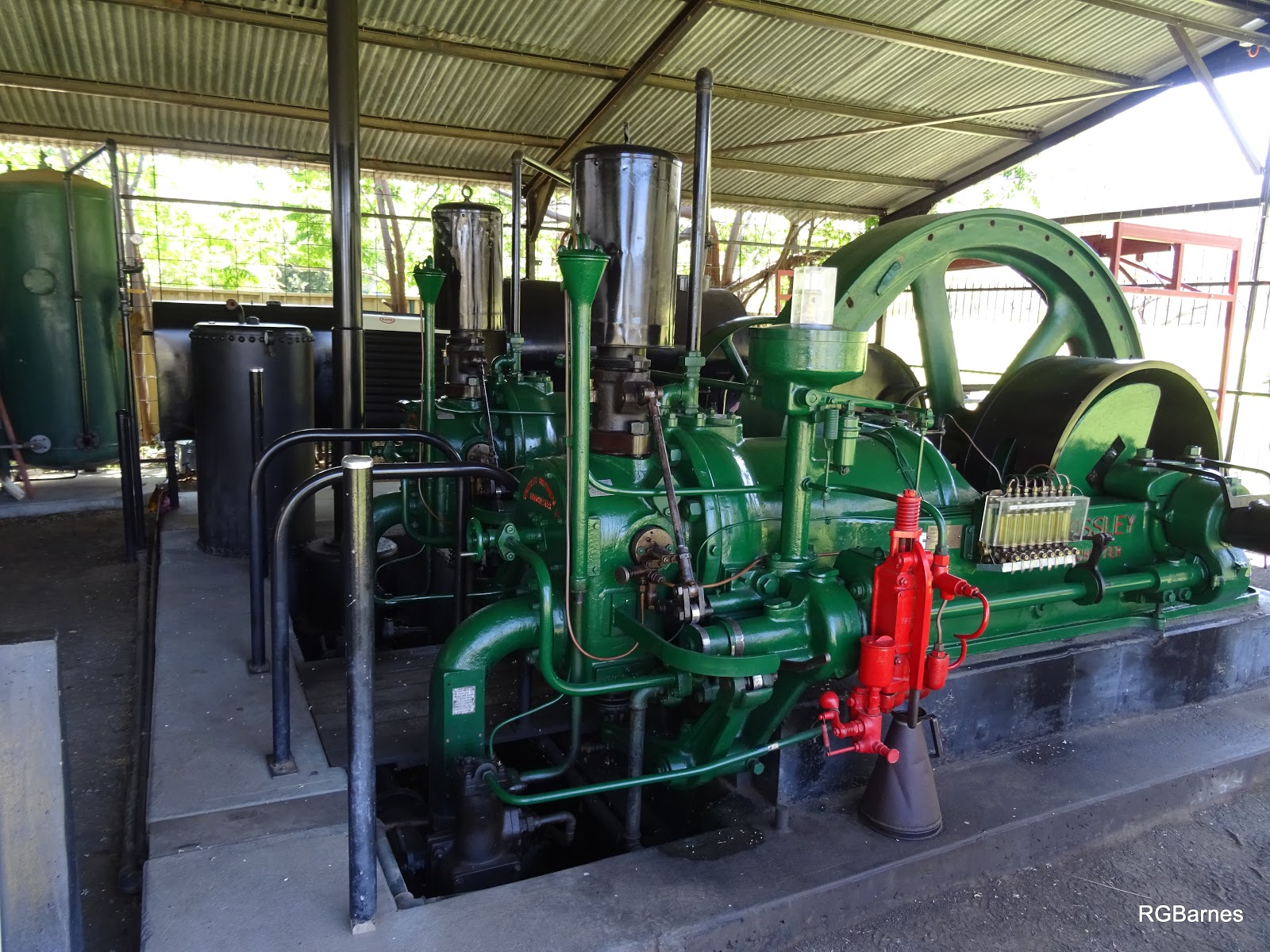
Bourke is more substantial than the river towns seen so far. Bold colonial buildings mark its former importance when the river mattered and governments were prepared to build to stay, to occupy this vast interior space. At the substantial wharf, heritage water pumps overlook the tree lined river which is twice its normal width and fast flowing.

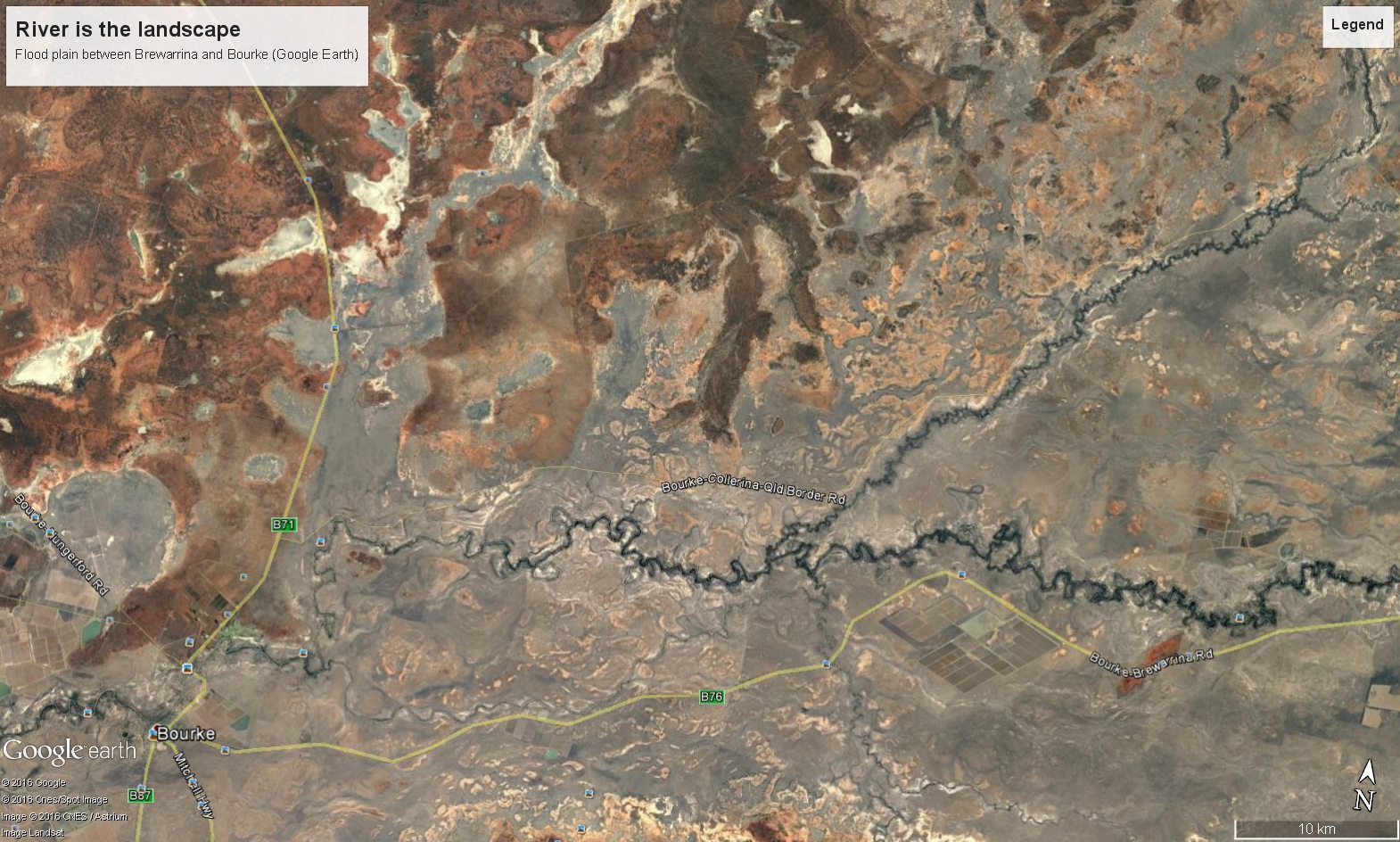
Floodplain between Brewarrina and Bourke.jpg

07-DSC03632.JPG
06-DSC03629.JPG

The paddle boat tours have been cancelled due to high water. Local children frolic and swing into the river with little regard to its swift flow. We pay homage to days past then drive north to cross to the far bank of the river. The heritage bridge still has its lifting centre section but is now unused.

10-DSC03654.JPG

We drive along dusty River Road and, after almost turning back, a small sign reads "Maritime Port of Bourke Heritage Area". More dirt tracks and we come to a small marker. The sign on the post is faded by the daunting outback sun. High waters cut off our access to the skeleton of a former paddle steamer stranded high on the the river bank and still a metre above the current swollen river level. The PS Wave, the sign tells us, was stranded while cutting across a paddock during a river fresh. It was caught as river levels fell and remained stuck awaiting a new flood which never came. Its owner continued to live in the boat for many years but it was never refloated. Eventually abandoned, time and fires have left only the metal ribs and the circles of the paddles amongst the dust. I was elated at having found this piece of history melded with the landscape and still telling its tale.


09-DSC03649.JPG

08-DSC03645.JPG

And then we’re off heading pretty much dead south for a couple of hours on the Kidman way,  to the mining town of Cobar, but that is another story.

DSC03844.JPG

Toowoomba to Cobar - a traveller's tale


To go west from Toowoomba is to follow the flow of water from the Great Divide towards the ocean in South Australia. This is part of that journey.

You slide off the ranges through increasingly broad valleys and past scattered volcanic knolls. Lines across the landscape mark out the productive fields with their rich black soils. There is activity all around, tractors in the fields, a puff of dust from ploughing, large trucks laden with grain or stock and hamlets and towns with their bright signs and green parks. Hours pass and the sky broadens and you become part of the vast alluvial plains which stretch from Queensland to the great flood plains in northern NSW.

The landscape on the plains, both beautiful and monotonous, feels everlasting. Only occasionally do taller tree mark subtle channels which fill for miles after big wets to the east. Then come the small signs on the broad bridges marking the rivers - not rivers as most would know then, but small depressions with their quiet fawn coloured pools, sometimes separated, sometimes connected.

Bustling towns and highways full of busyness give way to scattered lonely homesteads and villages with a single store or, if you are lucky, a pub and a petrol station. Some lie near the river channels, their stilted houses perched above the flood peaks. Some sit at cross roads or next to forgotten railway lines.

We reach Moonie sitting at a crossroad. It’s Saturday afternoon and the pub on the corner has a fleet of muddy and dusty utes in its carpark. Across the road at the side of a park is a large blue contraption - a preserved oil beam pump left over from the days when this was an oil field in the 1960’s showing lots of promise but which always remained small. A quick snap and we move on.
DSC03608.JPG

At St George there is also a pub on the corner - it is very much larger. In my memories from decades ago it was huge. Yes, it is two stories, but modest. The streets are broad, and down by the park the 4G phone signal is very strong. I look up and see the tallest structure in town looming overhead. All the houses are perched as if on long legs. No cafes are open. The local Foodworks provides bread and oddments which we happily consume in the cool breeze blowing across the river into the park beside the water.

South from St George the highway has few cars, perhaps four in an hour. Floods in recent times have eroded patches of road and potholes require careful avoidance. Slow speeds across the low roads adjacent to the river for best part of an hour. The low concrete dips across channels and roof high grass tell of times when the river could have been miles wide and the road impassable. Then a dramatic turn west to Diranbandi as the road parallels the western rail line.  The road turns again, this time south, and soon we are again on the flood plains. The river is never visible but a line of taller gums marks its presence on the western skyline. Emus and kangaroos loiter in roadside paddocks. The maps show a lake beside the road but its presence is only marked by taller gums and the grey soils of the flood plains.

Hours pass until roadside signs speak of glistening prizes - opals. Opals - attraction to fortune seekers, the curious, the hopeless romantics, those seeking solitude and, these days, the grey nomads with their mobile domesticity travelling like snails across these parched lands. We turn into Lightning Ridge to be greeted by a special type of outback - a cross between the real and a theme park.

The streets are almost empty but the car park outside of the Bowlo is near full. We seek a room and end at the Black Opal Motel on Opal Street. “Geez, you’re pretty late. Lucky we have one room left, but only for one night - it’s the Black Opal Bowling Tournament this week you know”.  We retire to the 1950’s in our very modest room. Across the road and down a bit, the Bowlo is all steaks and schnitzels.

1-DSC03614.JPG
1-20161015_192312.jpg
02-DSC03615.JPG

The morning, typical outback, blew warm with barely a cloud in the stark blue skies. A dip to freshen up in the hot artesian pool on the edge of town, soothing weary limbs of travellers and locals. A steamy mist rises from the circular pool. No gates, no fees or lifeguards - take care of your self. A local skims some dead mosquitoes from the top of the waters heated from far below ground. Multiple voices drift across the water - some local, some in foreign languages. Amongst the chatter, the occasional name of towns can be understood - clearly a road trip to the hot springs in Moree, Burren Junction, Pilliga.. Sweat exudes from the forehead. I climb the rickety iron steps and am cooled by the breeze. A faint sulphurous odour persists.
01-DSC03609.JPG

Peter from the opal shop is keen to talk - anyone will do on a quiet Sunday morning. Tales of fortunes and misfortunes, dealers and thieves - caveat emptor. I leave with some small but pretty opals in my pocket, wallet lighter. The petrol station is more like a super market with petrol - all sorts for all sorts. The man from India notices my city car and tells tales of how he had one of those once and how much he liked it. I ended buying the larger drink bottle for only 50 cents more. Through to the diggings - ordered and straight streets give way to chaos with scattered huts and abandoned cars, caravans with shades amongst the white ant hills, imagining small specks of colour but seeing none.

We are heading south to towns often heard of but seldom visited - the river towns which had their glory days when the river was the road and sheep grew money. Along the Barwon - Walgett, Brewarrina, Bourke. It has been a wet winter and in spring the countryside is blooming.

03-DSC03617.JPG

We cross the river at Walgett where it is wide but well held by levees. At Brewarrina the river flows fast, seats in the riverside park are now in the river. It’s Sunday morning and the wide streets are empty. A small cafe  door is ajar. We enter but are quickly told - “we’re closed”. Not even the pub is open. Time to move on.

05-DSC03622.JPG
04-DSC03620.JPG

In the next hour we pass several large road trains - obviously the Kamilaroi Highway is a quick route from the interior to the coast.

Bourke is more substantial than the river towns seen so far. Bold colonial buildings mark its former importance when the river mattered and governments were prepared to build to stay, to occupy this vast interior space. At the substantial wharf, heritage water pumps overlook the tree lined river which is twice its normal width and fast flowing.

Floodplain between Brewarrina and Bourke.jpg

07-DSC03632.JPG
06-DSC03629.JPG

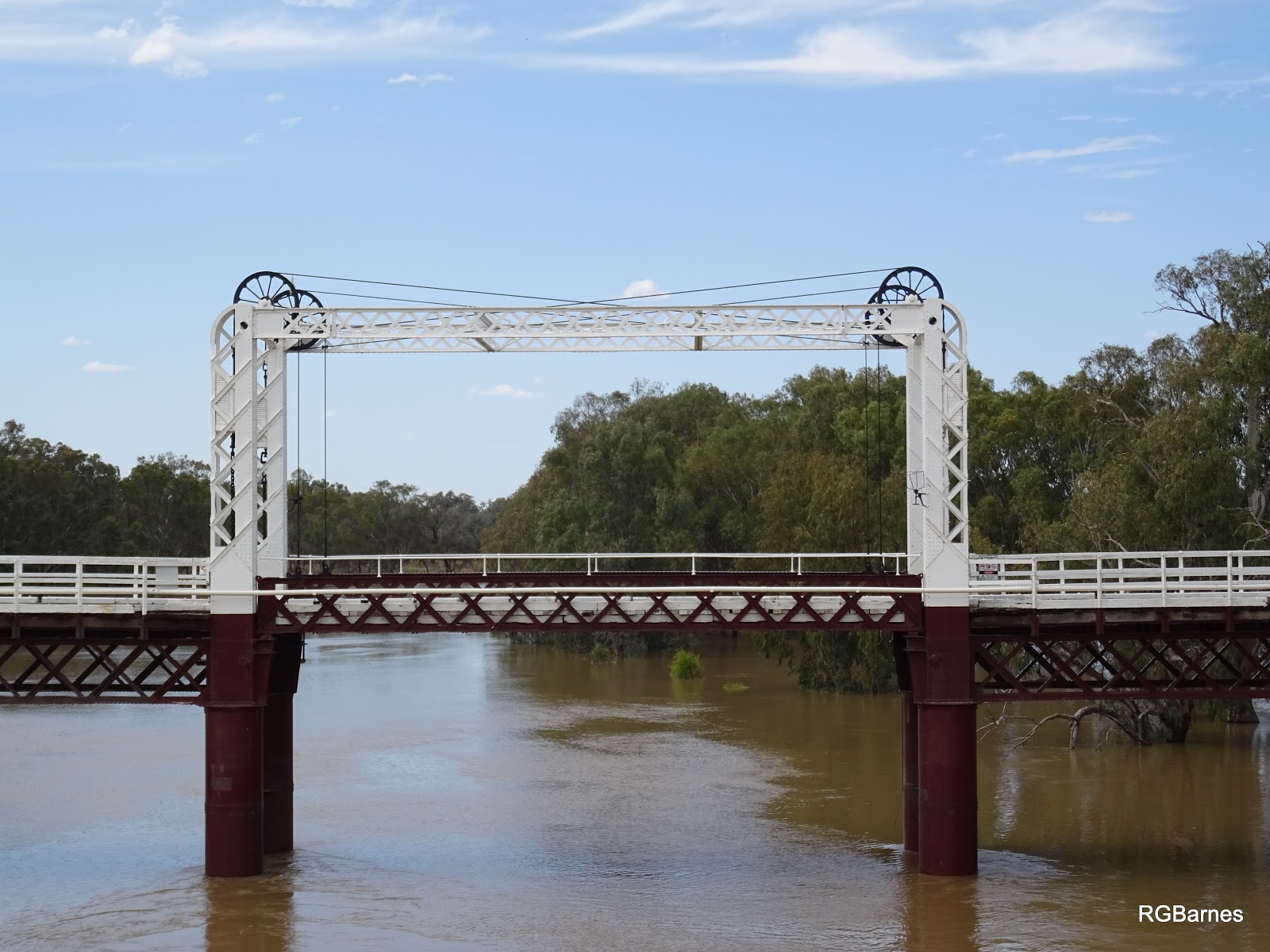
The paddle boat tours have been cancelled due to high water. Local children frolic and swing into the river with little regard to its swift flow. We pay homage to days past then drive north to cross to the far bank of the river. The heritage bridge still has its lifting centre section but is now unused.
10-DSC03654.JPG

We drive along dusty River Road and, after almost turning back, a small sign reads "Maritime Port of Bourke Heritage Area". More dirt tracks and we come to a small marker. The sign on the post is faded by the daunting outback sun. High waters cut off our access to the skeleton of a former paddle steamer stranded high on the the river bank and still a metre above the current swollen river level. The PS Wave, the sign tells us, was stranded while cutting across a paddock during a river fresh. It was caught as river levels fell and remained stuck awaiting a new flood which never came. Its owner continued to live in the boat for many years but it was never refloated. Eventually abandoned, time and fires have left only the metal ribs and the circles of the paddles amongst the dust. I was elated at having found this piece of history melded with the landscape and still telling its tale.
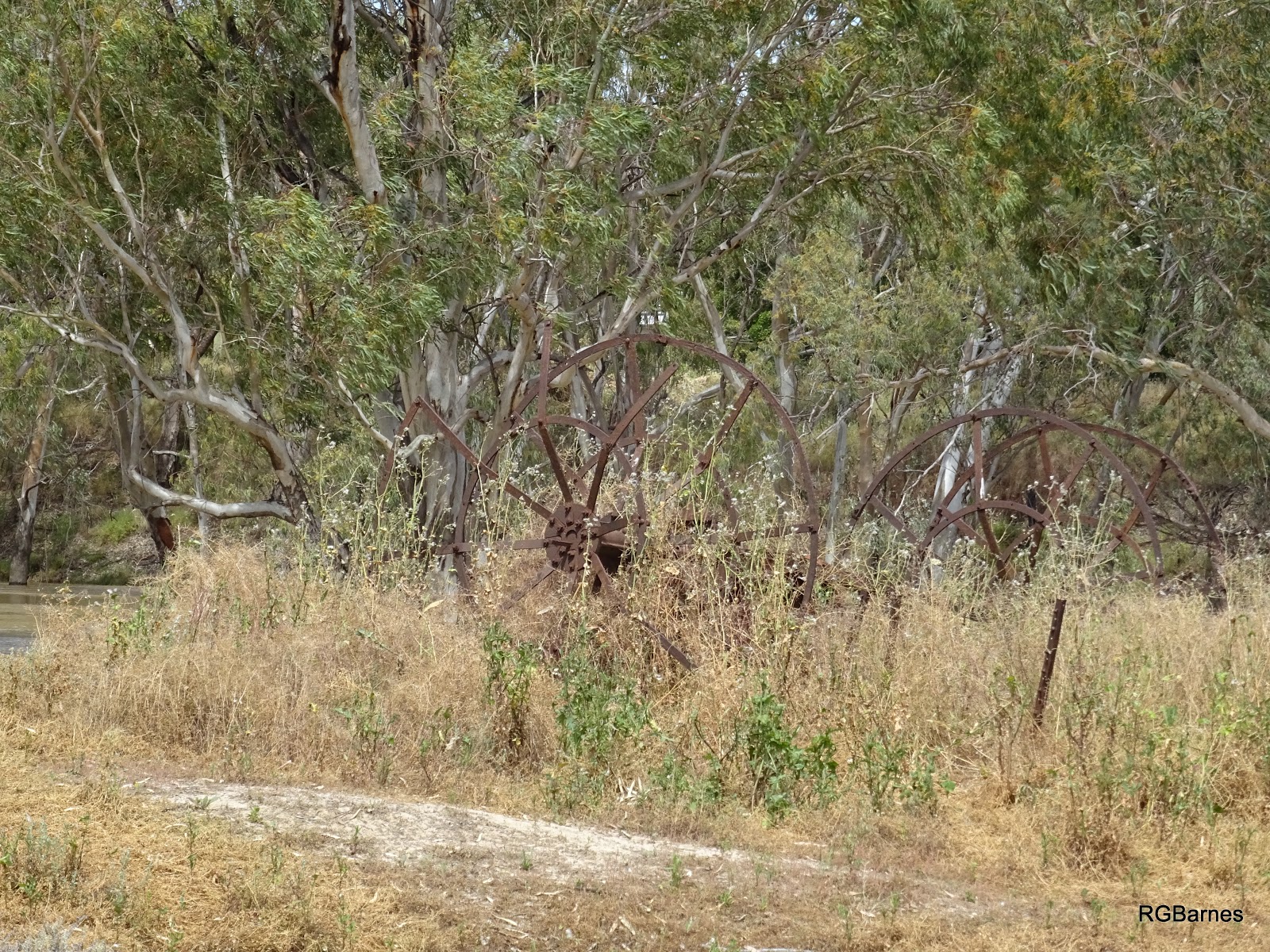
09-DSC03649.JPG

08-DSC03645.JPG

And then we’re off heading pretty much dead south for a couple of hours on the Kidman way,  to the mining town of Cobar, but that is another story.

DSC03844.JPG

Sunday, July 31, 2016

Captain Bobabout - A poem

Playing with the grandkids can let your imagination run free

Captain Bobabout
Captain Bobabout
was a sailor
At staying still
he was quite a failure


He wiggled and wobbled
he could have been stiller
but he felt quite at home
when holding the tiller.


He swayed and he staggered
as the wind blew
and was never quite certain
where he was off to.
He travelled the world
and saw tigers and towns
and landed on beaches
with no one around.


So one day he sailed
away cross the sea
and everyone wondered
Where could he be?
Seasons had passed
and his long beard turned grey
and he thought he should
go home one day.


So he sailed back home
his boat full of treasure
and with it he bought
what gave him great pleasure –
A merry go round
with little blue boats
and he stands there and sails
but never quite floats.


© Robert G Barnes

2016